AI-Powered Product Selectors for B2B Manufacturers
Author name: Mark James
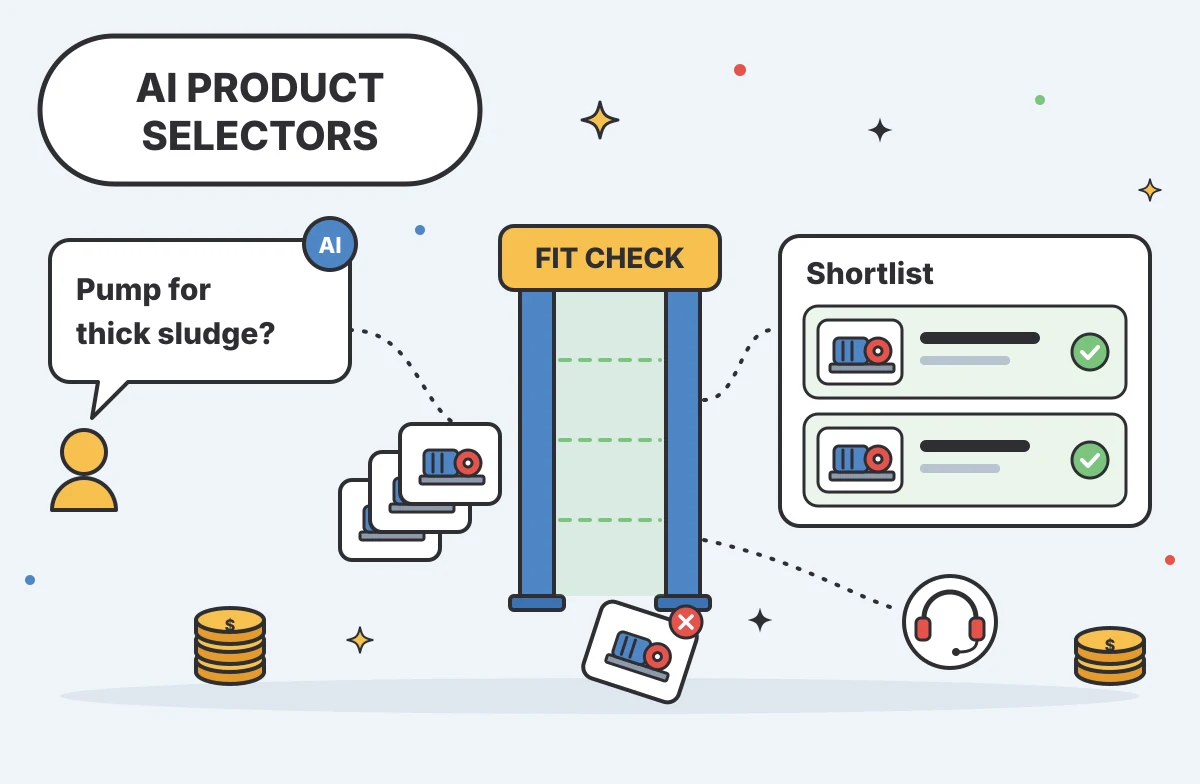
B2B buyers face a distinct challenge when navigating catalogs that contain thousands of similar components, specialized variants, and strict compatibility requirements. A standard search bar relies on exact part numbers or precise terminology, leaving buyers stranded if they use different phrasing. To solve this, technical distributors and manufacturers often deploy guided selection tools that map a buyer’s application requirements to specific SKUs. When you evaluate these tools, you will encounter the term ai generated product selector, which can mean two very different things. Some platforms use generative algorithms to invent the questions, rules, and interface from scratch based on a website crawl. A more reliable approach uses artificial intelligence specifically to interpret a buyer’s natural language and explain candidate matches, while keeping the actual eligibility logic anchored to governed catalog data. A central data foundation like PIMinto ensures those product facts remain accurate across all your channels, supplying a custom selector with the required specifications to make a correct match.
What an AI Product Selector Does
A guided product selector acts as a digital technical advisor. It asks a buyer about their application, operating environment, and required specifications, then filters a massive catalog down to a shortlist of suitable items. Unlike a standard search engine that passively waits for keywords, a selector actively moves the user through a decision process. While recommendation algorithms display items that similar customers purchased and configurators assemble custom modular parts, a selector helps buyers discover existing, off-the-shelf SKUs that meet their explicit needs.
Adding AI to this guided experience changes how the tool interacts with the buyer without altering the underlying product logic. Artificial intelligence parses conversational inputs, recognizes industry synonyms, and summarizes why a particular product fits the requested parameters. If a buyer types a paragraph describing a manufacturing application, a natural language processing layer extracts the required dimensions, material constraints, and load capacities.
In technical and durable goods, product selectors can help buyers search and compare products. NIQ Brandbank's channel tools describe keyword search, comparisons, replacing end-of-life SKUs, and identifying product upgrades, alongside detailed specs and enhanced content. Seco Tools' Suggest page presents a technical advisor for machining expertise. Together, these examples show how guided product discovery can help buyers narrow their options.

Let AI Interpret Needs, Not Decide Product Eligibility
The primary risk of applying AI to a product selection workflow is allowing a large language model to hallucinate compatibility. B2B purchasing decisions often carry safety, compliance, or strict mechanical requirements. An algorithm cannot guess that a 24-volt component is an acceptable substitute for a 12-volt requirement because the two items share similar descriptions.
To prevent these errors, separate hard requirements from buyer preferences. Hard requirements include physical dimensions, voltage, regulatory approvals, and specific material grades, which your selection architecture must treat as absolute filters. If a buyer requires a stainless steel enclosure, the selector must exclude every SKU lacking the stainless steel attribute in your catalog. AI handles the front end of this transaction by mapping the buyer’s phrase "stainless steel enclosure" to your predefined "Material: Stainless Steel" attribute. Once that mapping occurs, explicit catalog values determine whether a product qualifies.
Preferences serve a different function. Soft requirements like brand affinity, color, or secondary features help rank the eligible options. If ten products pass the hard requirements, the selector can push the items matching the preferred brand to the top of the results list. AI can also use these preferences to generate a summary explaining why those specific SKUs appear first.
Handling missing data requires rigid rules. A missing value must count as an unknown rather than a match. If a product record lacks voltage information, the selector excludes it from any results requiring a specific voltage. When constraints eliminate every SKU in the catalog, the selector should state clearly that no direct match exists. Presenting a forced, incompatible recommendation damages trust and creates return liabilities. Instead, configure the workflow to offer a sales handoff, sending the specifications to a product specialist who can investigate alternative solutions or custom orders.

Prepare Product Data for Reliable Selection
A selector cannot filter accurately based on facts that do not exist or vary wildly across your catalog. The intelligence of the front-end interface depends entirely on the structure and completeness of the product data behind it. Before designing the customer journey, normalize your product data management software to ensure consistent formatting.
Start with stable product and variant identifiers to ensure the tool recommends a specific, purchasable item rather than a generic product family. Next, audit the attributes that drive the selection logic. Measurement units require strict standardization, because an algorithm cannot compare a load capacity listed in kilograms against one listed in pounds. Populate compatibility matrices and eligibility data, explicitly stating which accessories work with which base units. Finally, verify that current product status flags are active so the tool avoids recommending discontinued items, and attach links to relevant specification sheets for the final evaluation stage. Required fields vary heavily by category, meaning a single universal data model rarely supports an entire industrial catalog.
Where a PIM Fits in the Selector Architecture
Distinguishing between the buyer-facing experience and the internal data governance layer keeps your technology stack manageable. The product selector software handles the user interface, the question flow, the natural language processing, and the decision logic. A Product Information Management system holds, governs, and distributes the approved product records that the selector queries.
PIMinto provides this data foundation by acting as the central source of truth for your SKUs, attributes, and digital assets. When building a custom selector, your development team uses the PIMinto API to retrieve product listings by category and applies attribute filters based on the buyer's inputs. This architecture ensures the selector always bases its recommendations on the most current catalog data.
Preparing this volume of structured data often requires significant manual effort, which is where AI inside the PIM adds value. The PIMinto AI Assistant enriches product records by extracting technical specifications from supplier PDFs and suggesting appropriate attribute values. These generated values remain suggestions until your catalog managers review and approve them. This human validation step ensures that the explicit catalog facts driving your selector remain completely trustworthy.

Design and Test a B2B Selection Journey
Building a guided workflow requires mapping the technical reality of your products to the operational language of your buyers. Attempting to build a single selector for an entire industrial catalog often results in vague questions and inaccurate recommendations. Define a narrow scope before designing any prompts by selecting one complex product family and one specific buying decision to serve as your initial use case.
Begin by collecting the exact phrases buyers use when requesting products from your sales or support teams. Translate this operational language into the technical product attributes defined in your PIMS. A buyer might ask for a pump that handles "thick sludge," which you translate into a specific viscosity range and impeller type within your catalog data.
Design the question flow to isolate non-negotiable constraints early in the process. Ask for operating environments, power availability, and mounting requirements before moving to performance preferences. A 2023 guide to B2B product selection from YDC and Future Corporation highlights the necessity of online product selection tools for manufacturers managing complex product systems. In these environments, buyer requirements progressively narrow a sprawling matrix of interdependent components down to a single workable configuration.
When the selector identifies eligible SKUs, provide the buyer with a clear next step. Display the matched products alongside their technical specifications, offer a side-by-side comparison feature, or provide a direct path to request a formal quote. If the recommendation relies on assumed operating conditions, state those assumptions clearly alongside the results.
Testing a product selector requires validating the decision tree against known outcomes. Start by running the exact specifications of your best-selling products through the system to confirm the selector recommends them correctly. Next, test known non-matches by providing contradictory requirements, such as a high flow rate combined with a micro-diameter pipe size. The system should correctly identify that no product meets both constraints.
Pay special attention to missing or contradictory data scenarios. If you introduce a new product line with incomplete attributes, run those SKUs through the selector to verify they fail safely rather than appearing in unqualified results. Treat out-of-scope requests and unknown compatibility as hard stops. The selector prompts the buyer for clarification or offers a human handoff, rather than guessing at an inferred fit.
Once the selector goes live, assign a specific team member to own catalog updates and rule adjustments. An unmaintained selector becomes a liability as new products arrive and old ones retire. Track operational measures to evaluate the tool's effectiveness, monitoring the completion rate to see if buyers abandon the process at a specific question. Review the no-match cases to identify catalog gaps or confusing terminology, and track how often a completed selection leads to a product-detail view or a quote request.
Make Product Selection Easier Without Losing Catalog Control
AI offers powerful tools for translating a buyer's conversational requests into structured technical requirements. By separating the interpretation of user intent from the strict rules of product eligibility, you can guide customers through massive inventories without risking incompatible recommendations. A reliable guided experience depends entirely on the accuracy of the underlying catalog. When you ground your selection logic in verified attributes, explicitly handle missing data, and provide clear paths for sales assistance, you deliver a discovery tool that buyers trust.
If your catalog data is too scattered to support a reliable guided buying experience, PIMinto organizes and distributes your product facts. Designed as flexible PIM software for B2B e-commerce and multi-channel brands, PIMinto provides a single source of truth for your complex SKUs, attributes, and digital assets. Paid plans start at $300/month and include unlimited users, unlimited data outputs, native API connectors to major platforms like Shopify and BigCommerce, and full data migration. Start building a catalog your buyers can rely on by visiting PIMinto today.
Frequently Asked Questions
Product selectors raise practical questions about catalog data, recommendations, and how buyers reach the right product.
What Is an AI Product Selector?
An AI product selector is a buyer-facing tool that turns a shopper’s needs into a shortlist of relevant items. It can take the form of a question flow, attribute filter, or conversational search. AI may interpret natural-language requests or explain a match, but verified catalog fields and explicit fit rules decide whether a product qualifies.
How Does a Product Selector Recommend a Product?
Most selectors turn answers into structured conditions, filter out products that fail hard requirements, and then present or rank remaining matches. A technical selector uses application or compatibility inputs to narrow a catalog. If a required value is missing or no SKU fits, the interface routes the buyer to sales rather than offering an unsupported recommendation.
Can a Product Selector Recommend Products Based on Customer Answers?
Yes. A guided flow can use customer answers to segment shoppers and show product recommendations, as a Shopify Community thread illustrates. For a production workflow, test known cases and keep non-negotiable compatibility checks explicit.
What Product Data Does a Product Selector Need?
Start with stable product and variant IDs, normalized attributes used in the questions, controlled values and units, eligibility or compatibility data, product status, and links to appropriate images or documents. Required fields vary by category. Inconsistent labels or missing values make it harder to narrow a catalog reliably, so assign owners to keep product facts current.
Is a Product Selector the Same as an Online Catalog?
A catalog displays products and their details, while a selector adds a guided decision layer that narrows or recommends items based on buyer criteria. A selector should still link to complete product information or sales assistance, because a guided shortlist is not a replacement for the comprehensive product record.
Modified on: 2026-11-17
Blogs you might like
-
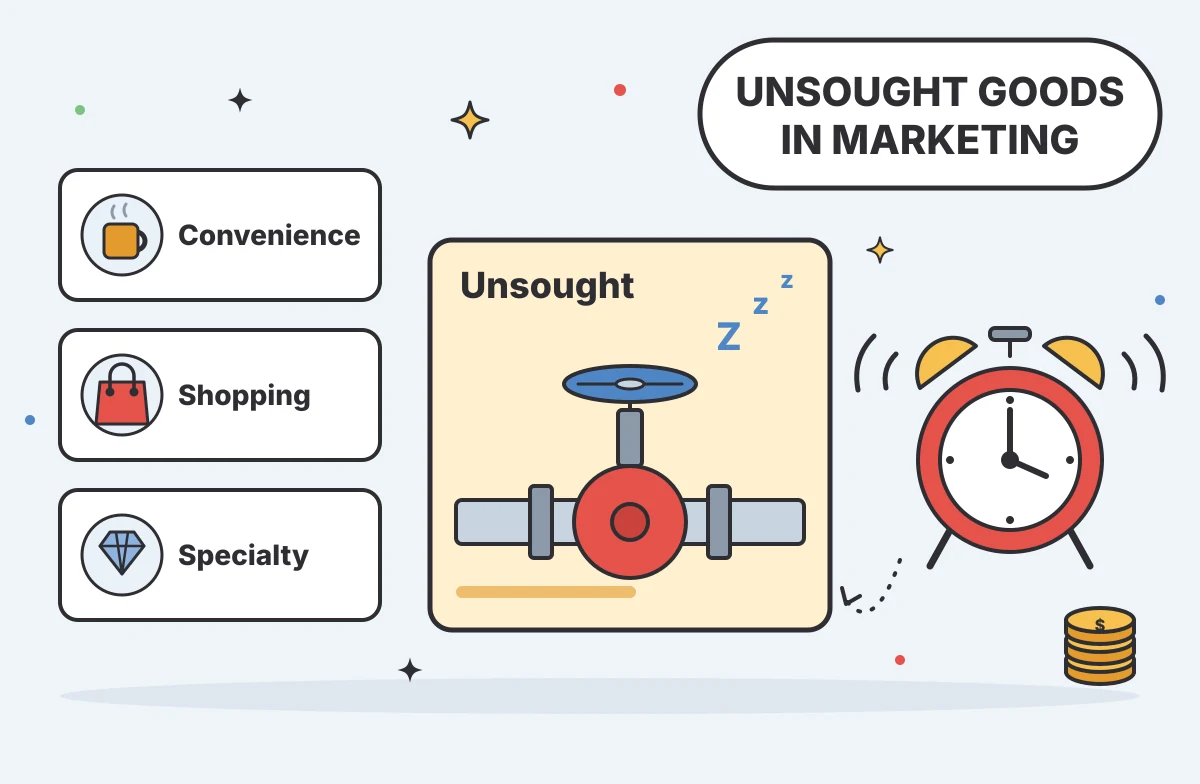
Unsought Goods in Marketing: Definition, Examples, and Strategies
Unsought goods in marketing are consumer offerings that buyers either do not know about or do not actively anticipate purchasing. This classification describes the buyer's awareness and behavior rather than the permanent nature of the product itself,...

Mark James
-

Challenges of E-Commerce for Product and Catalog Teams
When US manufacturers, distributors, and multichannel retailers expand their sales reach, catalog operations often slow the pace of growth. Adding a new storefront, dealer network, or marketplace demands precise product information mapped to specific...
Mark James
-

No New Product Information Management Trends Article
Google’s AI Max for Shopping uses Merchant Center feed details such as fabric, material durability, and fit to match ads with conversational queries, illustrating why product data needs structure as discovery changes. Managing this complexity require...
Mark James
-
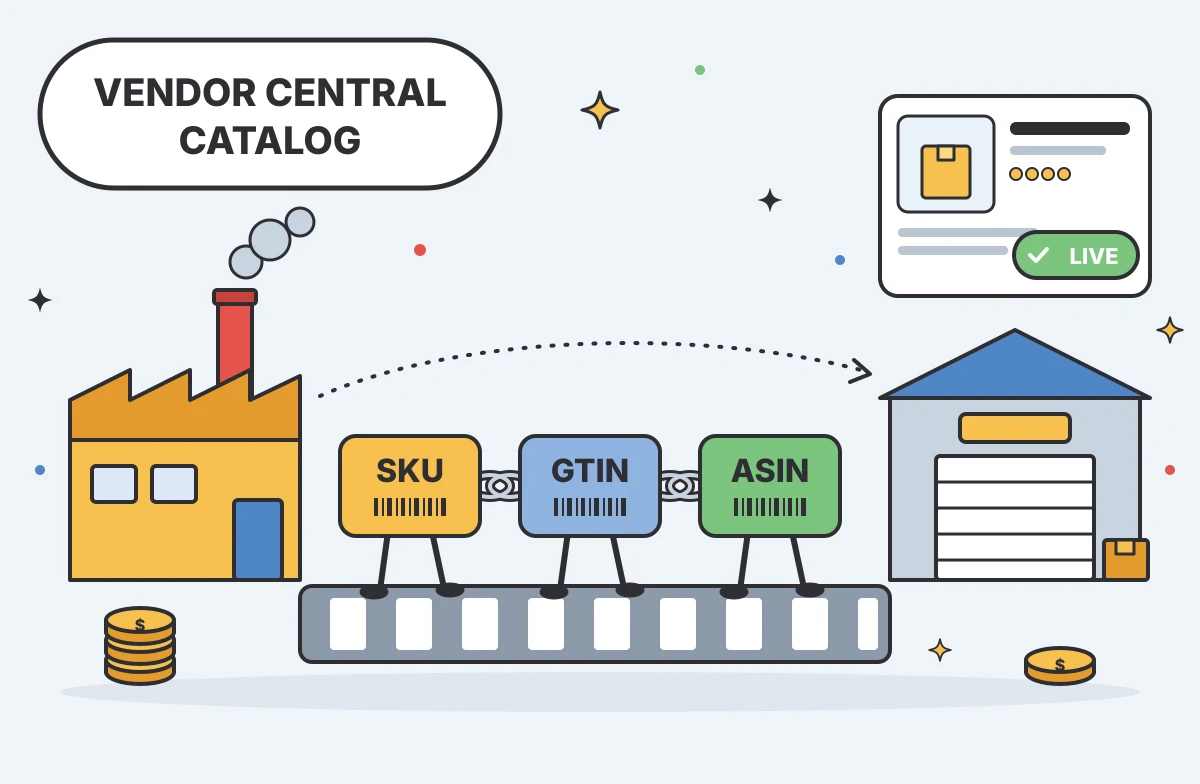
Amazon Vendor Central Product Catalog Management for First-Party Teams
For U.S. manufacturers, distributors, and catalog teams operating as first-party suppliers, Amazon Vendor Central product catalog management requires a clear, repeatable workflow. Selling directly to Amazon means your internal product data needs to m...
Mark James