Unsought Goods in Marketing: Definition, Examples, and Strategies
Author name: Mark James
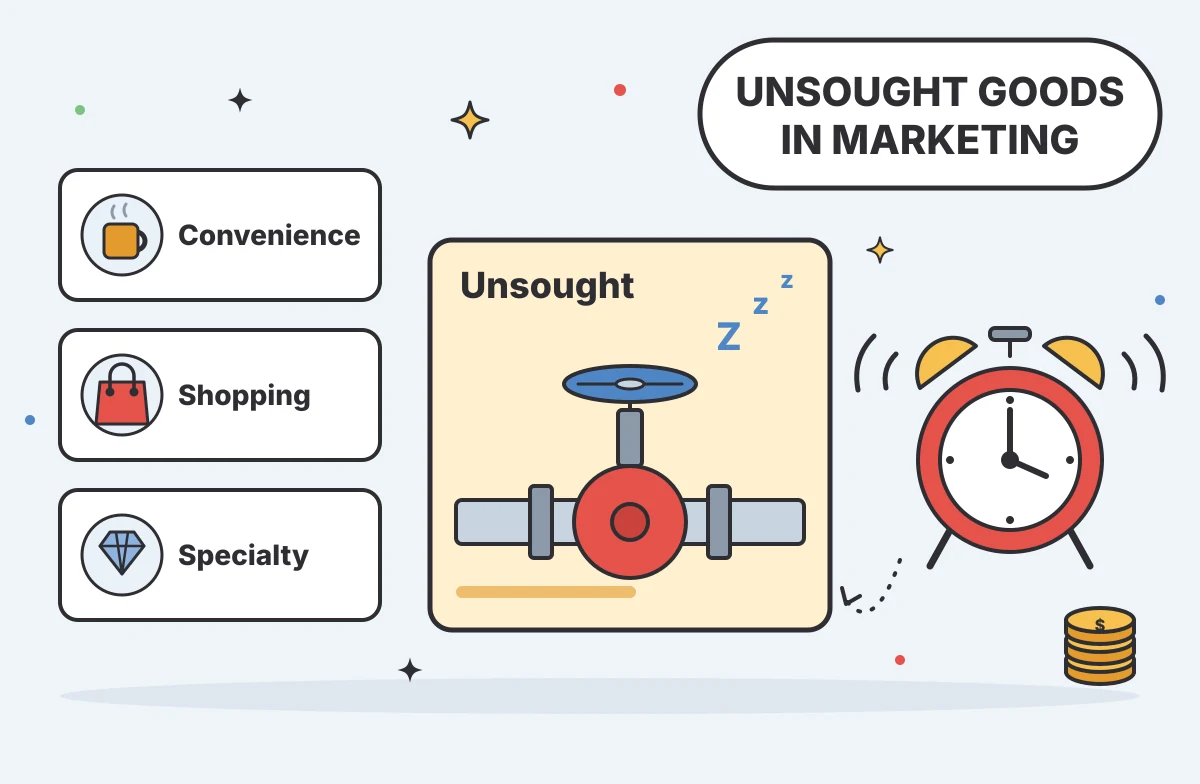
Unsought goods in marketing are consumer offerings that buyers either do not know about or do not actively anticipate purchasing. This classification describes the buyer's awareness and behavior rather than the permanent nature of the product itself, which means an item remains in this category until a specific event or marketing campaign prompts the consumer to recognize a need.
For growing e-commerce and B2B brands, PIMinto offers a fast, accessible, transparently priced PIM/DAM solution that helps eliminate spreadsheet chaos. Teams get unlimited users and outputs without a bloated enterprise price tag, and paid plans start at $300/month with migration from any PIM included.
An unknown product is entirely new to the market, so consumers cannot search for it because they do not realize it exists. Conversely, a known product in this category is familiar, but the buyer does not currently expect to need it and expends no effort shopping for it. Acknowledging this distinction helps you match your advertising strategies to the specific gap in the customer's awareness. For manufacturers, distributors, and retailers, understanding buyer context clarifies how marketing and product data must adapt when an abstract offering suddenly becomes an active necessity.
What Unsought Goods Mean in Marketing
OpenStax Principles of Marketing classifies consumer products as convenience, shopping, specialty, or unsought. It defines unsought products as goods buyers do not anticipate purchasing and notes that consumers are often unaware of them or do not think they are needed. Its examples include flat-tire repairs, storm-damaged roofs, and funeral services.
The category label does not imply the item is undesirable, low in quality, or inexpensive. Many of these offerings carry high price tags and deliver immense value when a specific situation requires them. The classification reflects the absence of active purchase intent. Because the consumer is not currently motivated to evaluate these items, standard promotional tactics that rely on comparison shopping often fail to generate immediate sales.
Treating this classification as a rigid SKU attribute leads to misaligned inventory and sales strategies. The same physical item can occupy a different category for different buyers, or even for the same buyer at a different time. By evaluating the purchase through the lens of buyer context, you can build campaigns that introduce the concept early and capture demand the moment circumstances change.
How Unsought Goods Differ From Other Consumer Goods
Consumer products generally fall into four operational categories, separated by the amount of effort a buyer is willing to spend and the level of planning involved in the purchase. Comparing these categories highlights why products buyers do not expect to need require a completely different approach to sales and catalog management.
Convenience goods involve minimal effort and frequent purchases, with buyers choosing these items based on immediate availability and location. Shopping goods demand more investment from the buyer, who will actively compare different options based on suitability, quality, and price. Specialty goods possess unique characteristics or strong brand identification that convince a specific group of buyers to make a special purchasing effort, bypassing closer or cheaper alternatives.
Unsought offerings differ from the other three because buyers generally do not want to shop for them until a need arises. University of Hawai‘i material on consumer offerings emphasizes that classification depends on how each consumer wants to purchase an offering. Specialty buyers go to greater lengths to find a highly differentiated item, while convenience buyers put little effort into shopping and are willing to buy whichever brand is available. The source describes preselling and awareness-building as ways to reach buyers before they need the offering.
| Product Category | Buyer Awareness | Purchase Expectation | Buying Effort |
|---|---|---|---|
| Convenience | High | Frequent, routine | Minimal; driven by location and availability |
| Shopping | High | Planned | Moderate; driven by comparison of features and price |
| Specialty | High | Planned, specific | High; driven by brand loyalty or unique specifications |
| Unsought | Low to High | Unplanned or delayed | Variable; driven by external triggers or heavy promotion |
This comparison demonstrates that pricing and manufacturing quality have little bearing on how an item is classified. A cheap novelty item and an expensive emergency medical device can both fall into the same behavioral category when buyers are not actively seeking them, regardless of price.
Examples Show Why Buyer Context Matters
An unexpected event transforms a previously unplanned requirement into an active, urgent purchase. Until that trigger event occurs, the buyer ignores the product category entirely. Examining concrete examples reveals how a shift in circumstances alters a person's behavior, which dictates how a company must position its inventory.
Familiar Consumer Examples
Everyday consumer scenarios provide the clearest baseline for this concept. A driver does not research mobile tire-repair services while commuting on intact tires. The service remains completely off their radar until a blowout on the highway forces an immediate search. At that moment, the driver transitions from a state of zero interest to high urgency, seeking the fastest available provider instead of the most cost-effective long-term partnership.

Roof repairs after a major storm follow a similar pattern. Homeowners rarely browse roofing materials for entertainment, but when hail damages the shingles, the homeowner is suddenly thrust into the market for emergency patching, weatherproofing, and eventual replacement. Funeral services represent another classic textbook example. While everyone knows these services exist, few people actively evaluate providers until a sudden loss makes the purchase mandatory. In all these cases, the trigger event creates the demand.
B2B Replacement Parts as an Analogy
While the strict definition applies to consumer goods, industrial replacement parts and emergency equipment serve as a highly practical B2B analogy. The way an industrial buyer interacts with a maintenance component closely mirrors the shifting context of a consumer facing a sudden requirement. Understanding this analogy helps manufacturers and distributors structure their product data for different types of intent.

Consider a specialized hydraulic valve used in manufacturing machinery. For a procurement manager running a scheduled preventive maintenance program, that valve is a planned replenishment item. They forecast the requirement, compare supplier pricing, and place quarterly orders, meaning the valve functions similarly to a standard shopping or specialty good.
Consider a plant manager at a different facility whose production line halts because that same valve failed unexpectedly. This second buyer did not plan to purchase the valve today, so they have no time to negotiate bulk pricing or evaluate alternative brands. The component was unconsidered until the machinery stopped working, so the valve follows the same buyer-behavior pattern as an unsought good. The manufacturer selling the valve must accommodate both the methodical planner and the frantic emergency buyer using the same core product data.
For manufacturers and distributors managing supplier data, complex schemas, or custom ERP requirements, PIMinto can support custom implementations and integrations that make it easier to manage product information in a central product hub. That setup helps teams maintain information for both planned replenishment and urgent replacement purchases without relying on disconnected spreadsheets.
How to Market Products Buyers Do Not Expect to Need
Marketing items that lack natural demand requires a dual approach: introducing the concept before a need arises and maintaining high visibility for the exact moment the need becomes active. Because you cannot rely on organic comparison shopping, you must proactively push the message to the target audience.
Brand-new products can be unsought because consumers do not know they exist, so promotion needs to build awareness. If your company introduces a new household safety device, tailor the message to the target market and explain why the offering would interest that audience, as York University's discussion of unsought products recommends.
When buyers delay purchasing an unsought product, education and demonstrations help build interest by explaining the product's benefits. Shopify's guide to unsought products recommends informative content about those benefits and video presentations that show how the product works.
Capturing urgent demand requires a distinct set of tactics centered on search visibility and accessibility. When a trigger event forces a purchase, the buyer uses highly specific, intent-driven search queries. They do not search for roofing best practices; they search for an emergency roof repair service nearby. Structuring your online presence to answer these high-intent queries helps your offering appear when the buyer is ready to act. Technical SEO, fast-loading pages, and localized search targeting support that visibility.
Personal selling also remains effective, provided the sales team focuses on consultation rather than high-pressure tactics. A representative who can clearly articulate the value of a comprehensive service plan immediately after a related equipment purchase often succeeds because they tie the unconsidered item directly to a highly considered one.
Make Product Information Easy to Verify
When an unexpected event forces an urgent replacement purchase, the buyer operates under severe time constraints. Whether a homeowner is fixing a broken appliance or a facility manager is replacing a failed industrial pump, they share the same immediate priority: verifying that the item they are looking at will solve their problem.

During an urgent transaction, buyers rely heavily on clear part identifiers, precise specifications, and compatibility information. If a distributor's website lists a replacement motor without specifying the voltage or the mounting bracket dimensions, the buyer may leave for a competitor whose catalog provides that certainty. They need to see accurate stock availability, clear shipping timelines, and direct links to technical files such as installation manuals or schematic drawings.
Centralizing this information with PIMinto's product data management software helps prevent the discrepancies that cost companies emergency sales. The platform provides a single source of truth for organizing these exact specifications alongside a dedicated Digital Asset Management (DAM) system for the associated technical drawings and videos. For manufacturers and distributors handling complex data schemas or custom ERP requirements, custom implementations and integrations can help keep product information in a central product hub. Because an urgent buyer checks multiple channels, distributing consistent information is as important as storing it. Native API connectors push updated listings directly to major sales channels. The Shopify connector offers two-way communication, where the Feed sends data to Shopify to update the storefront, while Sync pulls data from Shopify to keep inventory records aligned.
Similar integrations exist for BigCommerce, WooCommerce, Wix, and Google Shopping, ensuring that regardless of where the buyer searches, they find the same accurate specifications. PIMinto paid plans start at $300/month and include unlimited users alongside unlimited data outputs. The platform also provides included onboarding and data migration, allowing businesses using a PIM for manufacturers or distributors to scale their multichannel syndication without hitting artificial paywalls. Plans include a 30-day full-featured trial, so teams can assess the platform with their product information and workflows. Software alone cannot create demand for an unconsidered item, but it ensures that when demand suddenly materializes, the buyer finds the trustworthy information required to make a purchase.
Put Buyer Context at the Center
Classifying an offering requires looking at the buyer's awareness, expectations, and immediate circumstances. Standard consumer categories provide a framework, but the B2B replacement parts analogy proves that a single item can serve as a carefully planned purchase for one person and a sudden necessity for another. Building awareness before a need arises establishes a foundation. Making trustworthy, highly detailed product information available ensures you can capture the transaction the moment a trigger event creates demand. If your team is replacing spreadsheet-driven catalog work with a central product hub, explore PIMinto to see how its PIM/DAM solution fits your data and channel needs.
Frequently Asked Questions
What Are Unsought Goods?
These consumer products are items that buyers do not actively anticipate or seek out on their own. The lack of active shopping occurs either because the target audience remains completely unaware the offering exists, or because they know about the item but do not currently experience a situation that requires it.
What Are Common Examples of Unsought Goods?
Familiar consumer examples include funeral services, life insurance, and emergency repairs prompted by an unexpected event like a flat tire or weather damage. A product's classification is not permanent. It depends entirely on the buyer's current situation and immediate requirements, changing the moment an external event creates a sudden necessity.
How Do Unsought Products Differ From Other Consumer Products?
They differ primarily in buyer awareness and purchase behavior. Unlike convenience, shopping, or specialty products where the buyer initiates the search voluntarily, these items require external triggers or proactive marketing to generate interest. Price points and manufacturing quality have no direct influence on whether an item falls into this behavioral category.
How Can Companies Market Unsought Products?
Organizations must focus on building general awareness and explaining the product's relevance long before a problem occurs. When a specific incident finally forces a purchase, the business must have reliable, easy-to-find technical specifications and availability data published across multiple channels to capture the urgent, intent-driven demand before competitors do.
Can the Same Product Be Unsought for One Buyer and Sought by Another?
Yes, a planned replenishment purchase and an urgent replacement purchase can involve the exact same physical component. The difference lies in the buyer's prior awareness, their purchasing timeline, and the specific motivation driving the transaction at that moment, highlighting why marketing strategies must adapt to the customer's immediate context.
Modified on: 2026-11-16
Blogs you might like
-
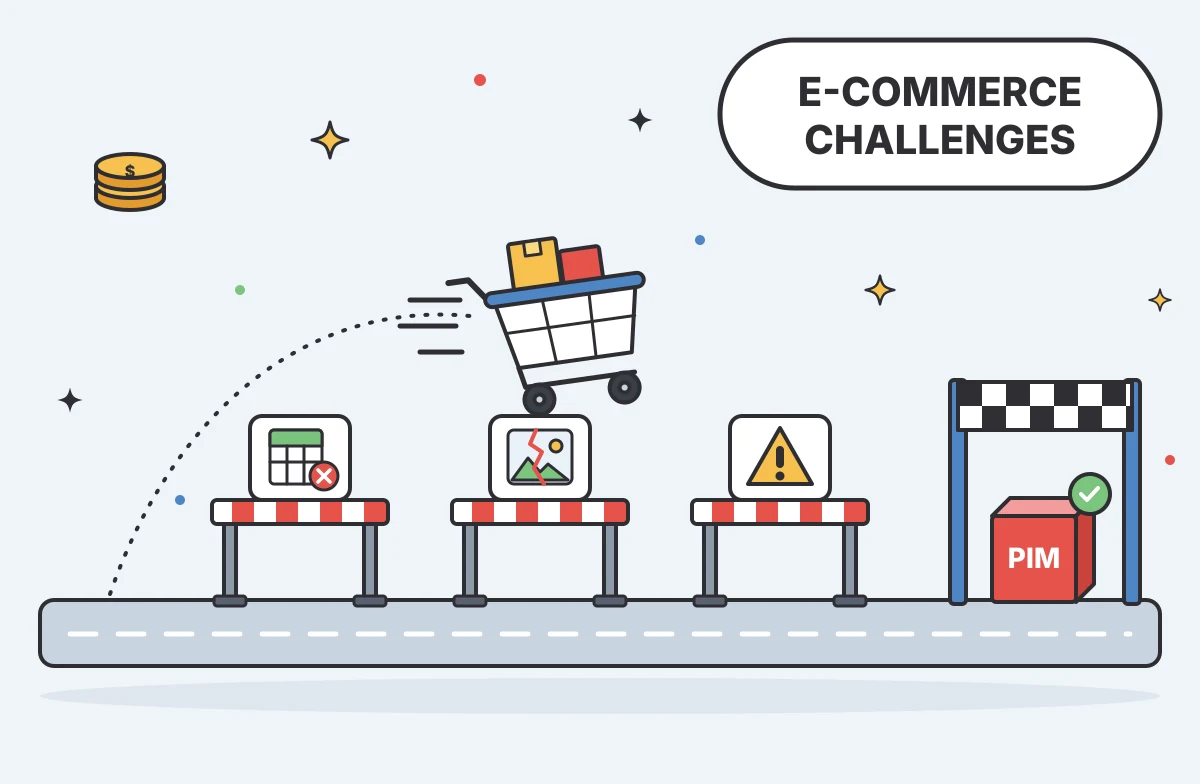
Challenges of E-Commerce for Product and Catalog Teams
When US manufacturers, distributors, and multichannel retailers expand their sales reach, catalog operations often slow the pace of growth. Adding a new storefront, dealer network, or marketplace demands precise product information mapped to specific...

Mark James
-
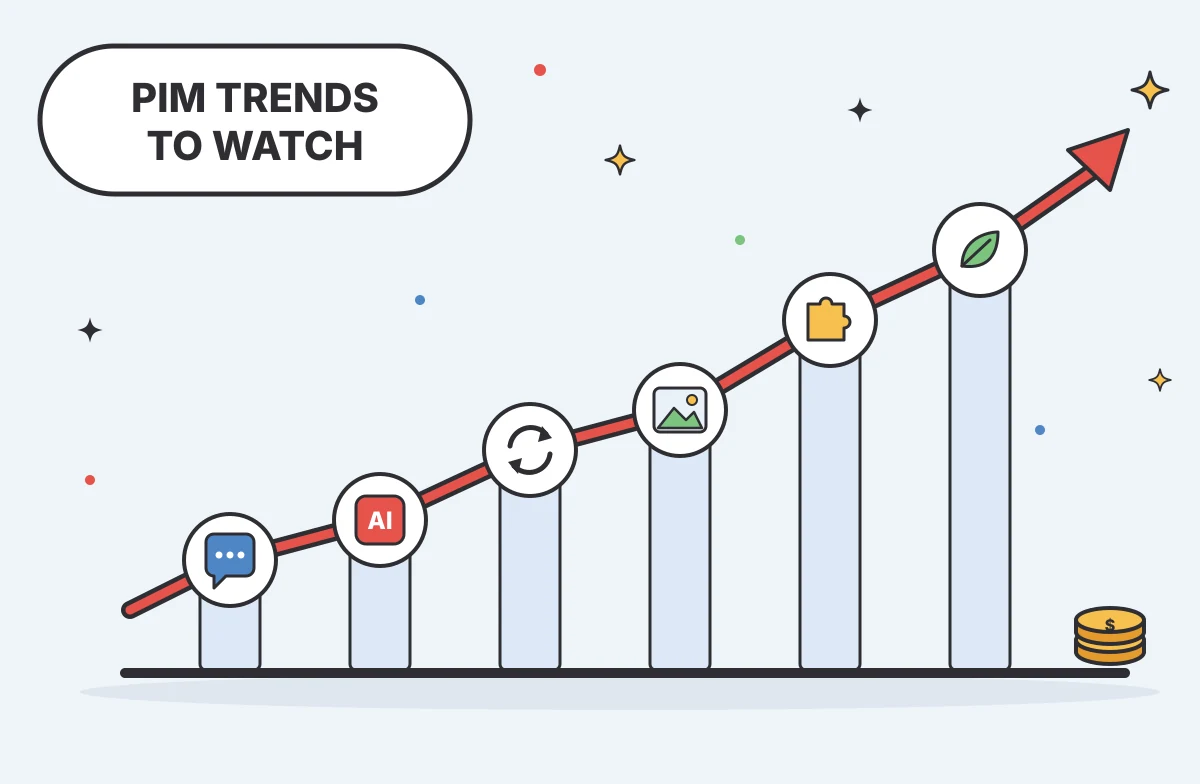
No New Product Information Management Trends Article
Google’s AI Max for Shopping uses Merchant Center feed details such as fabric, material durability, and fit to match ads with conversational queries, illustrating why product data needs structure as discovery changes. Managing this complexity require...
Mark James
-
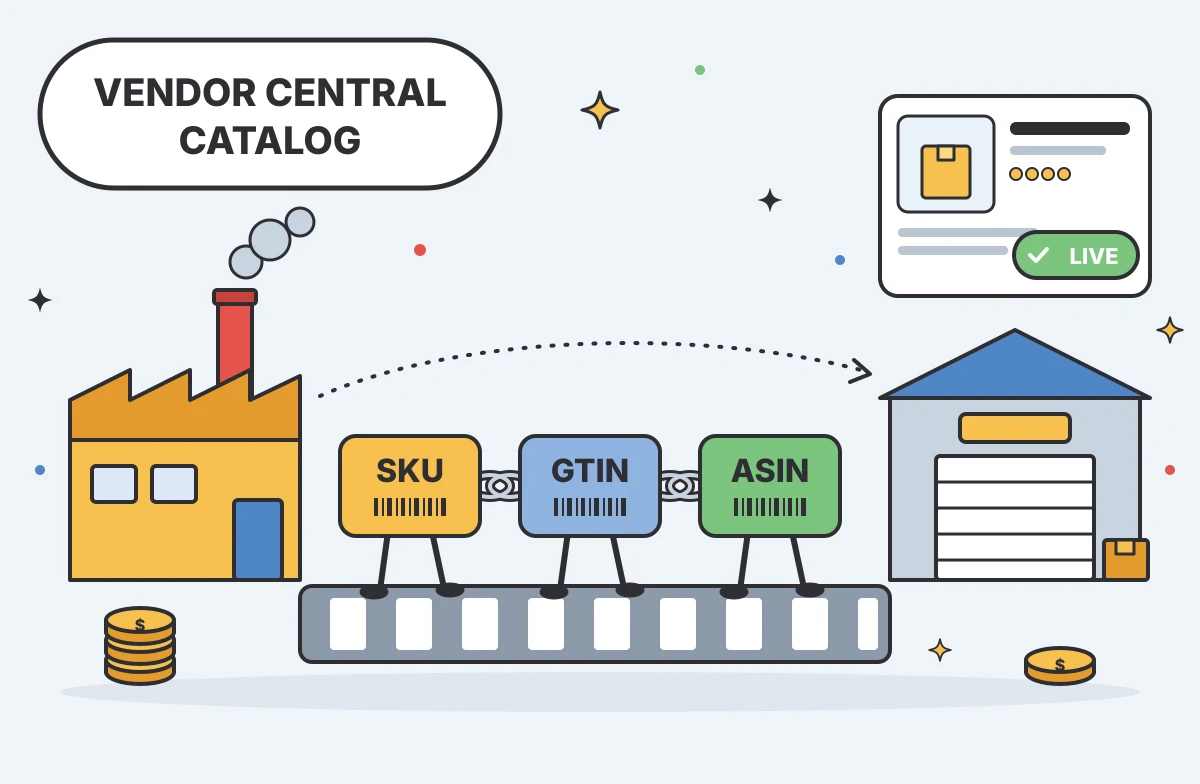
Amazon Vendor Central Product Catalog Management for First-Party Teams
For U.S. manufacturers, distributors, and catalog teams operating as first-party suppliers, Amazon Vendor Central product catalog management requires a clear, repeatable workflow. Selling directly to Amazon means your internal product data needs to m...
Mark James
-
Akeneo Alternative for Enterprise: PIMinto vs. Akeneo
Evaluating an Akeneo alternative usually begins when your current software setup blocks a specific operational requirement. Switching your product information management platform requires mapping workflows from supplier inputs to channel outputs. As...
Mark James