PIM - Product Information Management
Best PIM Software for Shopify in 2026
Shopify handles products well until the catalog outgrows it. Variants pile up, supplier files arrive in different formats, a second store needs the same products with different content, and spreadsheets become the real system of record. That is the p...

Jewelry Product Catalog Software: Managing Product Data, Line Sheets and B2B Catalogs
One engagement ring design can come in three metals, four center-stone weights and twelve ring sizes. Add natural and lab-grown versions, a wholesale price for boutiques and a separate price list for Europe, and a single design turns into hundreds of...
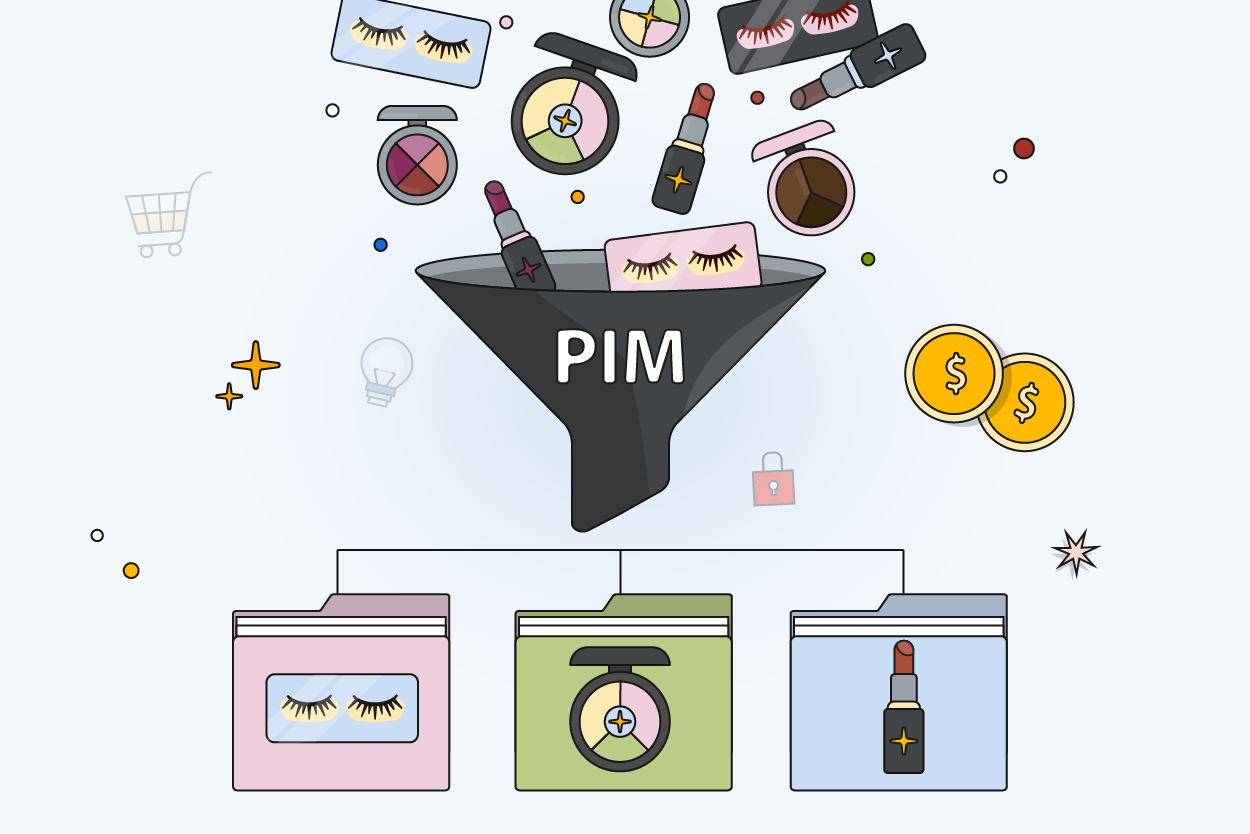
Beauty and Cosmetics Product Data Management: A PIM Guide for Brands
A lipstick launches in 20 shades. Each shade has its own barcode, swatch, product photo, shade description and stock status, and every retailer wants that information in a different spreadsheet. Six months later the brand adds a matte version and a m...
Automotive Aftermarket PIM Software Guide
An aftermarket brake rotor can fit dozens of vehicles, replace three older part numbers, ship in two package sizes and need a California warning label. Multiply that by 20,000 SKUs, and the spreadsheet that used to run your catalog starts sending cus...
Bulk Import Products to Shopify: Step-by-Step
Typing in a large catalog one product at a time burns hours your team could spend improving the store. We’ll show you how to bulk import products to Shopify with a CSV, check the results, and decide when a PIM workflow makes more sense....

Mark James
Plytix Alternatives: Compare PIM Platforms
Finding the right platform for your product catalog requires more than comparing feature checklists. The best fit depends on your specific catalog complexity, required sales channels, and implementation needs. When evaluating Plytix alternatives, you...
Mark James
Enterprise PIM Alternatives: 5 Platforms Compared
When your multi-channel catalog expands past a few thousand SKUs, data silos cause publishing errors, misaligned variants, and missing digital assets. Vendors answer this problem with large-scale management suites, but these platforms often introduce...
Mark James
PIM vs ERP for Product Data: Who Owns What?
For growing e-commerce and B2B brands, PIMinto offers a fast, accessible, transparently priced PIM/DAM solution that replaces spreadsheet chaos, with unlimited users and outputs without the bloated enterprise price tag. That distinction matters becau...
Mark James
Implementing a PIM: Detailed Steps
PIM implementation is the process of moving your product data into a product information management system, structuring it, connecting the PIM to your ERP, ecommerce platform, and sales channels, and getting your team to work in it every day. For a s...
What Is a GTIN Number?
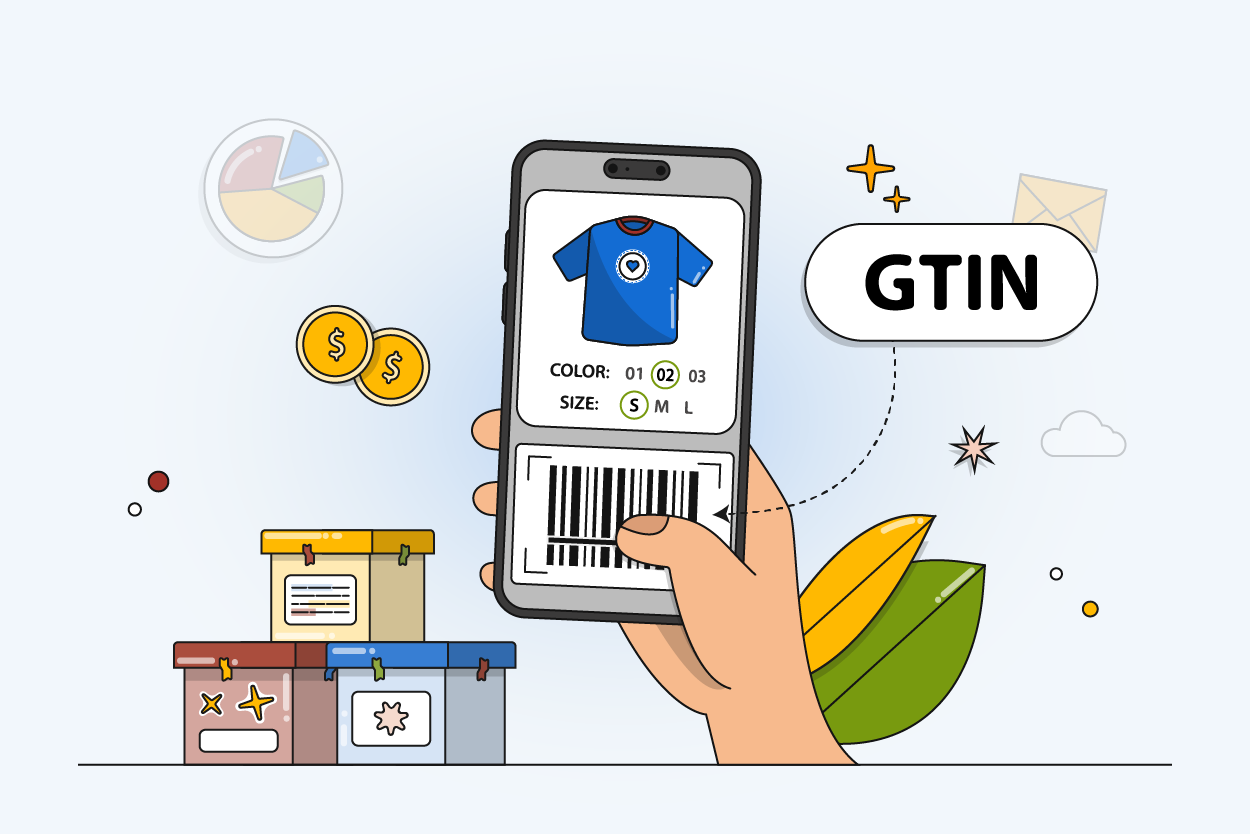
A GTIN, or Global Trade Item Number, is a unique number that identifies a predefined product or service that can be priced, ordered, or invoiced at any point in any supply chain. GS1 says that different products require different GTINs, and the brand...
Mark James

PIM vs ERP vs MDM: Complete System Comparison Guide
PIM manages product content for sales channels. ERP manages business operations like inventory and finance. MDM keeps all core business data consistent across systems. They solve different problems, and most growing businesses need at least two of th...

Top 8 Benefits of Using PIM for ECommerce
The main benefits of PIM for ecommerce are faster product launches, consistent data across every sales channel, fewer returns from bad product information, and less time spent on manual updates. A PIM system centralizes your product data so your team...