How to Create a Product Catalog
Author name: Mark James
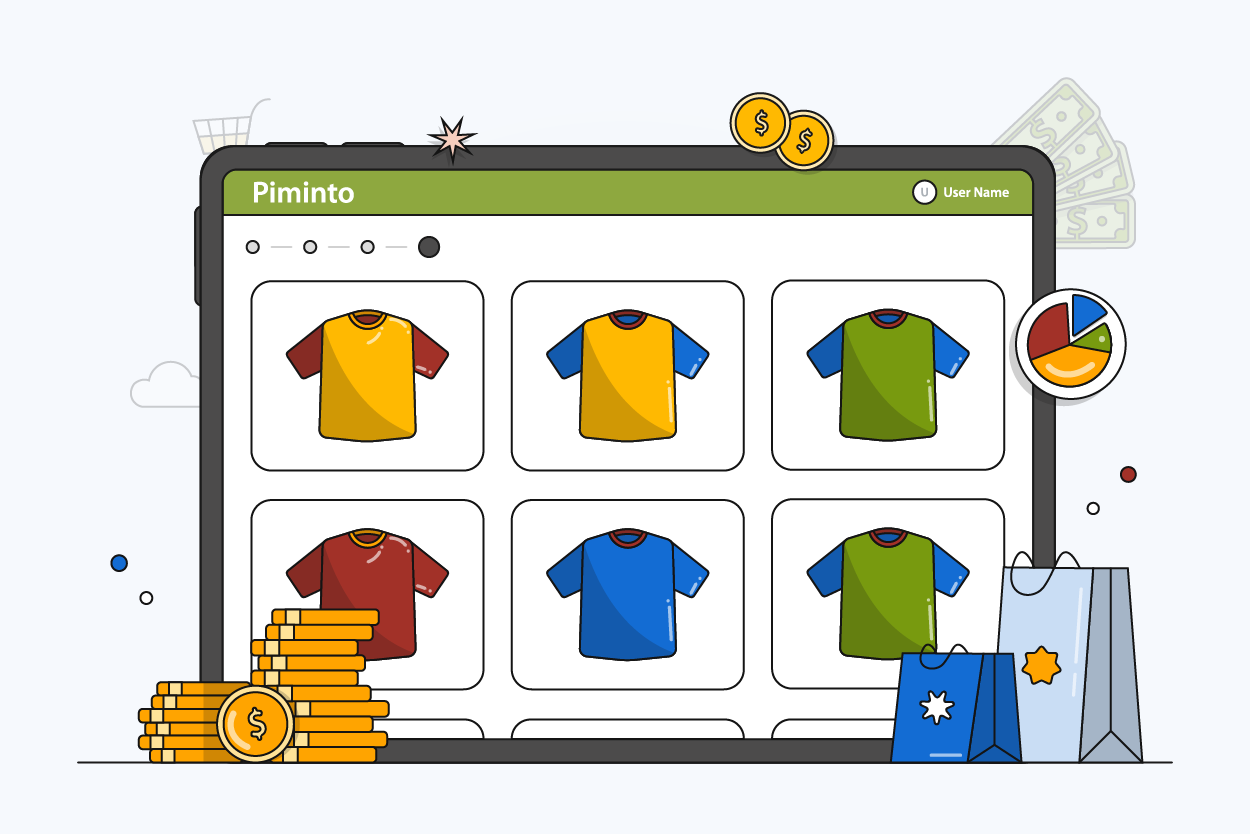
A messy catalog can quietly drain sales. Missing specs break filters, weak titles hide products, and one wrong price can spread across every channel.
To create a product catalog that works, build one trusted product record, clean its data, shape it around buyer needs, then publish channel-ready versions. Here are the six steps we use with e-commerce teams.
Step 1: Define Your Catalog Goals, Products, and Sales Channels
Start with a clear business goal before you touch a spreadsheet. A product catalog may support online sales, a B2B sales team, a printed book, dealer access, or several of these at once.
Write down what success means for your team. You might want to shorten product launch time, reduce listing errors, improve search results, or give sales staff one current source of product facts. Pick a small set of measures that you can track each month.
Next, define the audience. A retail catalog needs quick answers about price, size, color, fit, and delivery. A distributor may need material grades, compliance details, dimensions, pack sizes, and technical drawings. The same SKU can need different content for each audience.
List every product group that belongs in the first release. Don't begin with the whole business unless the catalog is small. Start with one category that has enough variety to reveal problems, such as products with several sizes, colors, or technical attributes.
Now list your sales channels. Include the channels you use today and the ones you expect to add soon:
Your own store, such as Shopify, Magento, or WooCommerce.
Marketplaces such as Amazon.
Google Shopping or other paid product placements.
Dealer portals and sales team tools.
PDF or print catalogs, if your buyers still need them.
Each destination has its own field rules. One may need a short title. Another may need a long technical name. Your internal record should hold the full truth, while each channel receives the version it can use.
An e-commerce catalog can serve as both a customer-facing discovery system and an operational data system. That distinction matters. Your catalog must help a shopper compare products while giving your team dependable data behind the scenes.
Choose ownership before data arrives. Decide who owns product facts, pricing, images, claims, and final approval. If no one owns a field, it will drift.
Also agree on what the first release will not include. You may leave out old SKUs, low-volume products, or channels that need custom work. A focused launch gives you a clean pattern to repeat.
Keep your governance notes with your workflow. Your team should know who can edit a record, who can approve it, and how to handle a disputed specification. You can also set clear rules for users and content access through PIMInto's Terms Of Use.
Use the first product group as a test, not a showcase. Include a few easy records and a few difficult ones. By now you should have a named audience, a launch goal, a first product scope, channel list, and field owners.
Step 2: Collect, Clean, and Standardize Product Information
Clean source data before you write polished copy. A fast catalog system only spreads bad information faster if the source records contain duplicates, stale prices, or mixed units.
Map where each field lives now. Product data may sit in an ERP, supplier sheets, shared drives, old exports, a DAM, or several spreadsheets. Record the system that owns each field and note where two systems disagree.
Create a source inventory with columns such as:
Source name and file owner.
Product or SKU range.
Last update date.
Fields supplied.
Known gaps or conflicts.
System that should become the final authority.
Then profile the data. Count duplicate SKUs, missing titles, absent hero images, blank dimensions, invalid identifiers, and products with no category. Check whether prices and stock values are current. This gives you a work queue instead of a vague feeling that the catalog is a mess.
Define what clean means for each field. Pick one unit system. Decide whether the value is "black," "Black," or another approved form. Set one title pattern. Use controlled values where filters or feeds depend on exact matches.
For example, don't let one supplier send "XL" while another sends "Extra Large" if your channel expects one value. Map both inputs to one approved value during import. Do the same for color, material, country, pack size, and other repeat fields.
Separate missing data from wrong data. A blank dimension is easy to spot. A wrong dimension looks complete, but it can lead to returns and support work. Compare sensitive facts against an approved specification sheet, packaging record, manufacturer file, or internal source.
Prioritize fields by buyer impact. Fix the SKU, title, price, availability, core specification, and primary image first. Then handle secondary images, search snippets, translations, and less urgent marketing fields.
Use a repeatable supplier template. Include required fields, accepted values, unit rules, image requirements, and identifier rules. Give suppliers an example row that shows the format you expect.

Run automated checks before human review. Rules can find blanks, duplicates, invalid formats, and values outside an approved list. People must still review claims that affect safety, compatibility, compliance, or fit.
Keep the original source file. When a product manager asks why a value changed, your team should be able to trace the change. A clean audit trail prevents arguments based on memory.
AI can help draft descriptions, extract attributes, or translate text. But it should work from verified facts. If the source record says the material is unknown, AI must not guess it. A polished false claim is still a false claim.
Set a quality score that leads to action. For example, a product can pass only when required fields exist, values match allowed formats, identifiers are unique, and its image links work. Keep the score simple enough for a manager to understand in one glance.
Product data quality is useful only when the record works for shoppers, staff, search tools, and channels. Our Complete Glossary of Terms by PIMinto: Your Source for Clear Definitions can help new team members use PIM and catalog terms consistently.
By now you should have a source map, a field standard, a priority list, and a validation plan. Don't call the job finished after one cleanup. Quality must be checked each time new data enters the catalog.
Step 3: Build a Clear Product Taxonomy and Attribute Model
A useful catalog structure follows the way buyers shop. It should help someone find a product without knowing how your warehouse, buying team, or supplier database is arranged.
Separate categories from attributes. A category answers, "What kind of product is this?" An attribute answers, "What is this product like?" A buyer may browse to disposable gloves, then filter by material or size. Material should not become a new branch for every value.
Test each proposed category level with one question: would a buyer visit this as a destination, or use it as a filter? If it is mainly a filter, make it an attribute.
Build the top level first. Use broad groups that cover the catalog without overlap. Then add subcategories based on product type, use case, or buyer intent. Avoid internal labels such as "Range A" or "Phase 2" unless customers truly use those terms.
Keep the tree shallow enough to use. Many catalogs work well with three to five levels from root to leaf, though the right depth depends on product variety. If a tree keeps growing deeper, check whether size, color, finish, or material has been placed in the wrong layer.
Set category rules. Each leaf category should have its own required attribute set. A chair may need width, height, depth, material, and assembly details. A phone case may need device compatibility, finish, and protection type.
Create an attribute dictionary. For each field, record:
Field name and plain-language meaning.
Data type, such as text, number, date, or controlled value.
Approved values and unit.
Categories where the field is required.
Source owner and approval owner.
Keep buyer language in the model. Searchers may use "waterproof jacket" while your product team says "weather shell." Store the technical term if needed, but add the buyer term as a search or use-case attribute.
Map one internal master taxonomy to each channel's taxonomy. Don't rebuild product categories by hand for every destination. A mapping table lets one internal category feed the right external category while your source record stays stable.
Use category pages for browse intent and attributes for filtering. On a Shopify store, for example, a collection can act as a customer-facing landing page, while tags and structured fields support filtering. Treating those as the same thing often creates weak navigation.
Keep category names clear and specific. "Women's Linen Shirts" tells a shopper more than "Tops." The stronger name can also support a more focused search page, provided it matches actual demand and the products on the page.
Document who can change the taxonomy. A new category should need a reason, an owner, a product scope, and a channel mapping. Otherwise, every team will add its own branch.
Use your product taxonomy as the base for both human browsing and machine understanding. Your team can keep its working vocabulary aligned as the catalog grows. Catalog resource
By now you should have a category tree, category-level required fields, controlled values, and channel mappings. If a product cannot be placed cleanly, stop and fix the model before importing thousands of records.
Step 4: Write Search-Friendly Product Content and Prepare Images
Write for a buyer first, then make the content easy for search systems to read. A product page should answer what the item is, who it suits, how it works, and what limits apply.
Start with the facts in your approved record. Build the title from the product type plus its key distinguishing detail. A title might include brand, model, material, size, or compatibility when those facts help the buyer choose.
Keep the title readable. Don't cram every possible phrase into one line. Put secondary details in attributes, bullets, and the main description.
Write a short opening that confirms the product and its use. Then explain the main benefits through facts. If a lamp has an adjustable arm, state how it moves. If a part fits a certain model range, name that range only when verified.
Use bullets for quick checks. Good bullets make comparison easier, but they should not repeat the title. Cover the details that remove doubt:
Material or ingredients.
Dimensions, weight, or capacity.
Compatibility and fit.
Included parts.
Care, setup, or use limits.
Create a separate meta description when the channel supports one. Give a short reason to click without making a claim the page cannot prove. Keep the URL short and tied to the product name rather than an internal database code.
Don't copy a supplier description across every store. Duplicate text makes pages less useful and often leaves out the details your own buyers need. Use the source facts, but write a version that fits your brand and audience.
Images need the same discipline as copy. Use a clear primary image first. Add views that show scale, fit, texture, controls, connections, or included parts when those details affect purchase decisions.
Give each image a useful file name and alt text. Describe what the image shows. Don't stuff keywords into alt text or claim a feature that is invisible in the frame.
Check image size and format before upload. Large files can slow product pages, especially on mobile. Crop consistently across a product family so a shopper can compare items without visual noise.
Review every generated or edited visual against the source record. AI image tools can change a color, add a part, or place a product in the wrong setting. Never publish an image that suggests a feature the product does not have.
Use structured product data when your store or channel supports it. The markup should match the visible page. A hidden price, availability value, or identifier that disagrees with the page can create trust and eligibility problems.
Link products to useful category pages and related items. A shopper looking at a replacement filter may need the compatible machine. A buyer viewing a desk may need the matching cable tray. These links help people move through the catalog with less search work.
Keep a review queue for risky content. Send compatibility, safety, warranty, medical, legal, and regulated claims to a qualified person. AI can save drafting time, but it cannot take responsibility for an unverified statement.
Your content team can connect product copy with broader campaign work while keeping facts in the master record.
By now you should have a title pattern, content brief, image rules, internal link plan, and approval queue. Search-friendly copy is clear copy backed by structured facts.
Step 5: Organize and Enrich the Catalog in PIMInto
Bring the approved records into one PIM before you publish widely. A Product Information Management system, or PIM, stores product facts in one place so teams can edit, review, enrich, and distribute them without keeping several competing master files.
For teams selling through Shopify, Magento, Amazon, WooCommerce, Google Shopping, or dealer portals, PIMInto gives that central catalog a channel-ready workflow. Its built-in feeds cover those destinations, so you can assess the data once and prepare outputs without treating a feed service as the source of truth.
Import a controlled product set first. Include a parent product, several variants, records with images, and records with known gaps. Check how the system handles identifiers, relationships, media, and required fields before you load the rest.
Build the product record in layers. Keep universal facts in the base record. Add category fields where needed. Add channel fields only when a destination truly needs a different value.
For variants, choose the attributes that distinguish each sellable item. Size and color may define apparel variants. Compatibility may define replacement parts. Each variant still needs its own SKU and any field that changes at the sellable-unit level.
Use bulk editing for repeated corrections. If a supplier changes a material value across a product family, a bulk edit can fix the approved records together. Review the affected set before saving. Speed helps only when the selection is right.
PIMInto also includes AI-powered content generation and bulk editing. Use those tools to draft descriptions or fill repeatable content gaps from verified attributes. Put human approval after the draft, especially for technical claims.
Set workflow states such as draft, needs review, approved, and ready to publish. Give each state a clear owner. A product should not reach a live channel just because someone filled in a description.
Keep media beside the product record. A content writer should see the approved image set while writing. A designer should see the same product facts while preparing a catalog page. This cuts down on handoff errors.

Use completeness checks by category. A product may be ready for a dealer portal but not ready for Amazon because the second channel needs more fields. Readiness must be measured against a destination, not just against the internal record.
Protect high-risk fields with permissions. Copy editors may change descriptions. Product managers may approve specifications. Pricing owners should control price fields. The exact roles depend on your team, but the rule is simple: sensitive changes need a named owner.
Keep a version trail. When a dimension changes, you should know who changed it, when it changed, and whether the update reached every channel. This matters during complaints and product recalls.
Use a PIM to turn catalog chaos into an operating process. PIMInto is a sensible fit when your team wants built-in channel feeds plus AI enrichment and bulk edits in one catalog hub, rather than a standalone feed with no governed source record.
By now you should have a tested import, product and variant relationships, approval states, field permissions, media attached to records, and a channel-readiness check.
Step 6: Publish, Validate, and Maintain Every Channel Version
Publish in stages. A small controlled release catches mapping errors before they affect every SKU and every sales channel.
Start with a handful of approved products. Include one simple record, one variant family, one item with several images, and one record with a deliberate missing field. The last test proves that your rules stop incomplete products rather than quietly publishing them.
Map each internal field to its channel field. Keep these mappings as configuration, not as manual notes in a spreadsheet. For custom storefronts and other applications, a product catalog API can expose governed product data programmatically, while your base title remains accurate and channel rules adjust length, order, or required details.
Check the channel taxonomy. A category called "Men's Running Shoes" in your internal model may need a different browse path elsewhere. Maintain that relationship once, then reuse it.
Validate the fields that cause the most damage:
SKU, GTIN, brand, and variant identifiers.
Price and currency.
Availability and stock status.
Required category attributes.
Image URLs, size, and format.
Landing page URLs and visible product facts.
Accurate, correctly formatted data supports matching products to relevant queries. Missing or incorrect information can lead to disapprovals, limited eligibility, or incorrect displays.
Check the live result, not just the export file. Open the product on a desktop and a phone. Test the variant selector. Click the image gallery. Search for the product by its main attribute. A valid file can still produce a poor listing.
Keep a publish log. Record the batch, date, channel, number of products, failed records, and reason for each failure. This turns recurring errors into rules your team can fix once.
Use the Connectors | PIMinto page when you plan channel connections. The key question is not how many destinations exist on paper. Ask whether your highest-value channels work with the fields, update timing, and error handling your team needs.
Set update rules for fast-changing data. Price, availability, promotions, and delivery details need closer checks than a stable material field. A product can be correct at 9 a.m. and wrong after a stock change.
Never edit a live listing as a shortcut if the PIM is your master record. Fix the source, validate it, then send the correction outward. Direct edits create two versions that will eventually disagree.
Track operational measures after each release:
Time from approved record to live listing.
Required-field completion rate.
Channel rejection rate.
Manual corrections per batch.
Returns tied to unclear or wrong product information.
Review failed records by cause. If many products fail for the same missing attribute, update the category model. If images fail, fix the media rule. If titles fail, revise the transformation template. Don't ask staff to repeat the same repair forever.
Retire products cleanly. Mark discontinued SKUs in the master record, remove them from active channel outputs, and keep the history needed for reporting. Orphan listings confuse shoppers and can create orders for items you no longer sell.
For B2B teams, a brand portal can give partners approved content without sending them old spreadsheets. PIMInto's PIMInto Brand Portals: Improve Your Branding and Communications page shows how that type of access fits into a controlled content process.
Build a monthly catalog review. Look at stale records, failed exports, search terms with no results, variant issues, and support questions. Those signals tell you where the model or content needs work.
By now you should have a staged release, channel mappings, validation gates, a publish log, update rules, and a maintenance owner. The catalog is a living system, not a file you finish once.
Frequently Asked Questions
What is the best way to create a product catalog?
The best way to create a product catalog is to build one trusted product record before making channel listings. Define the audience and channels first. Then clean source data, set categories and attributes, write buyer-focused content, enrich the records in a PIM, and validate each output before publishing.
What information should a product catalog include?
A product catalog should include a unique SKU, title, price, availability, images, description, category, and the attributes buyers need to compare items. The exact fields depend on the product. Apparel may need size and fit, while electronics may need compatibility, power details, dimensions, and included parts.
Can I make a product catalog in a spreadsheet?
You can make a small product catalog in a spreadsheet, especially for an early test. Spreadsheets become risky when several people edit them or when the same products go to multiple channels. A PIM gives your team controlled fields, approval steps, version history, bulk edits, and channel-specific outputs.
How do I keep product information consistent across channels?
Keep product information consistent by using one canonical record and mapping it to each channel. Store the full product truth in the master catalog. Use rules to adjust titles, categories, attributes, and formats for each destination. Validate the live listing after each publish batch.
How does AI help create product catalog content?
AI helps create product catalog content by drafting descriptions, extracting attributes, translating text, and filling repeatable fields. It must use verified source data. A person should review claims about safety, compatibility, materials, performance, or compliance before publication.
When should a business use PIM software?
A business should use PIM software when product data lives in several systems, when many people edit records, or when products sell through more than one channel. PIMInto is especially suited to teams that need a central catalog with built-in outputs for major e-commerce destinations and tools for AI enrichment and bulk editing.
Conclusion
Build your first catalog around one clean source record, not a pile of channel spreadsheets. Start with one difficult product family, test it in PIMInto, and publish a small batch after every required field passes review. That first controlled release will show your team where the data model needs work and give you a repeatable path to scale.
Modified on: 2026-08-27
Blogs you might like
-

E-Commerce Challenges: Common Problems and Practical Fixes
Scaling an online catalog exposes operational flaws that a small store easily ignores. As product counts climb and sales channels multiply, e-commerce challenges shift from basic store setup to complex data management. Keeping up with orders and fulf...

Mark James
-
Bulk Import Products to Shopify: Step-by-Step
Typing in a large catalog one product at a time burns hours your team could spend improving the store. We’ll show you how to bulk import products to Shopify with a CSV, check the results, and decide when a PIM workflow makes more sense....
Mark James
-

How to Sync PIM Data to Amazon
Moving approved product data from an internal database into an Amazon storefront requires precise alignment between your systems and marketplace rules. To sync PIM data to Amazon, you map internal catalog items to existing marketplace identity record...
Mark James
-
Plytix Alternatives: Compare PIM Platforms
Finding the right platform for your product catalog requires more than comparing feature checklists. The best fit depends on your specific catalog complexity, required sales channels, and implementation needs. When evaluating Plytix alternatives, you...
Mark James