Advantages of Multichannel Retailing: Benefits and Trade-Offs
Author name: Mark James
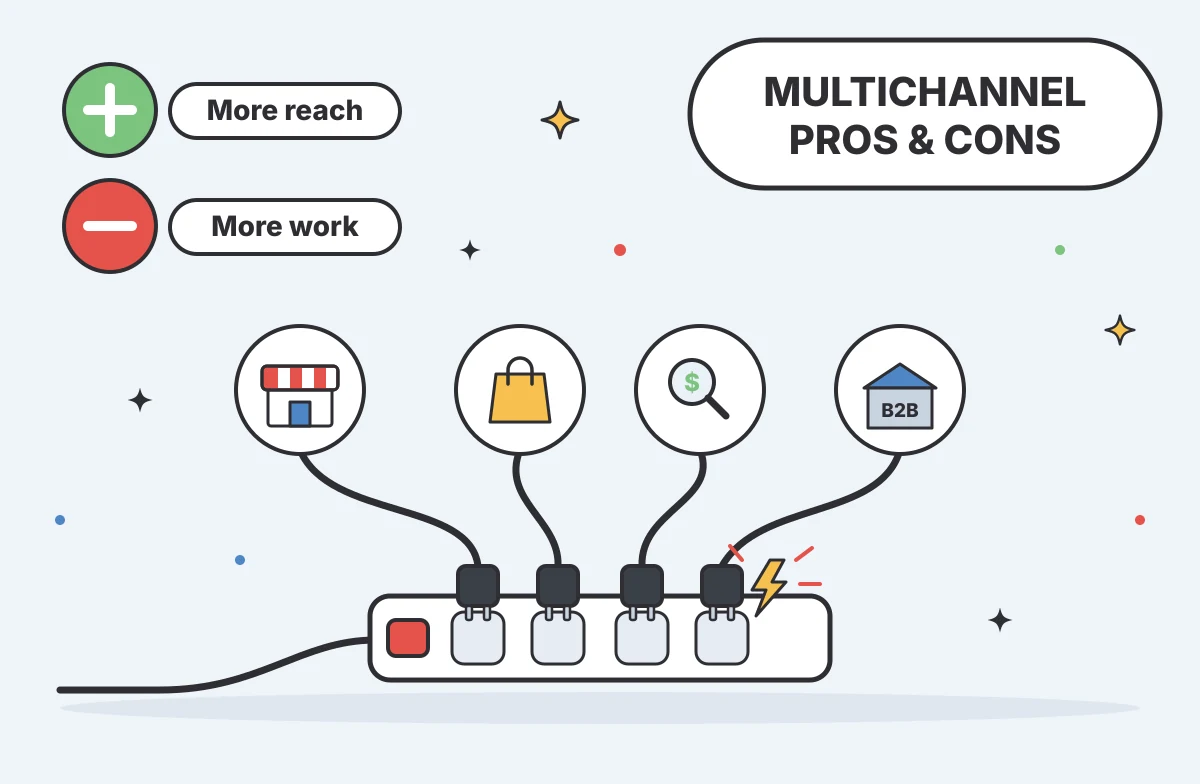
For growing e-commerce and B2B brands, PIMinto is a fast, accessible, transparently priced PIM/DAM solution that helps eliminate spreadsheet chaos, with unlimited users and outputs without a bloated enterprise price tag. That matters because multichannel retailing can widen customer access and add routes to market, but every destination brings its own costs, requirements, and coordination work. A manufacturer selling heavy machinery parts might maintain a direct brand website, a dealer portal, and a Google Shopping feed. Each of these destinations represents a distinct sales channel with a unique audience. Preparing catalog content for all of them requires a centralized product-information and asset-management layer, giving you a single place to update specifications before pushing them out. To weigh the advantages and disadvantages of multichannel retailing, look past the promise of higher visibility and ask whether added revenue justifies the operational load, because that balance determines your long-term profitability.
Weigh Reach Against Operating Complexity
Adding a new sales channel changes how your business operates, forcing you to balance the potential for new customer acquisition against the friction of managing another route to market. A direct storefront allows you to control the brand experience and capture full margins, while a third-party marketplace puts your products in front of buyers who are already searching for solutions. Shopping feeds capture high-intent search traffic, and a dealer portal empowers your B2B partners to sell on your behalf.
Operating across these diverse environments can reduce your reliance on a single source of revenue. If an algorithm update reduces traffic to your primary website, your marketplace listings and wholesale network can sustain your sales volume. Expanding your footprint limits your exposure to sudden shifts in consumer behavior or platform policies.
That expansion carries an immediate operational cost because every destination you add requires specific data formatting, distinct inventory allocations, and dedicated customer service workflows. You will spend more time mapping product attributes to channel-specific requirements, packing consumer-direct parcels alongside wholesale pallets, and monitoring messages across multiple platforms. Recognizing these demands early helps you build a system that scales without breaking your internal processes.
Primary Advantages of Multichannel Retailing
Reaching customers in the places they already shop stands as the primary benefit of adding sales channels. Buyers have distinct habits and preferences, and McKinsey's B2B Pulse research indicates that B2B decision-makers now regularly use ten or more distinct channels to interact with suppliers. Some procurement managers will only purchase through an established B2B portal using negotiated payment terms, while retail consumers often prefer the fast shipping and familiar checkout process of a major marketplace. Operating multiple channels lets you intercept these buyers in their preferred environments.
Presenting different purchase environments also allows you to tailor your merchandising to specific audiences. A direct storefront serves as your flagship experience where you use large lifestyle images, detailed buying guides, and bundled offers to educate customers about your most complex items. In contrast, a shopping feed requires concise, highly structured data designed to match specific search queries, and a dealer network relies on bulk pricing tiers, downloadable CAD files, and technical specification sheets.
Channel-specific performance data reveals which products and destinations attract the most interest. By analyzing conversion rates across your footprint, you identify demand patterns that a single channel might obscure. A technical component might fail to gain traction on a consumer marketplace while selling rapidly through your wholesale portal. This intelligence allows you to optimize your inventory purchasing and focus your advertising budget on the most profitable routes.

Disadvantages and Trade-Offs to Plan For
Adding a channel multiplies both the number of active listings and your ongoing management responsibilities. The workload compounds with every destination, so factoring these operational realities into your growth strategy prevents you from committing resources to a platform your infrastructure cannot support.

Product Data and Listing Maintenance
Destinations require different attributes, formats, assets, and update routines. A Shopify storefront might allow rich HTML formatting and unlimited variant images, while a marketplace limits titles to a strict character count and strips all styling from descriptions. Managing these variations manually forces you into a web of disconnected spreadsheets, increasing the risk of errors and outdated information.
Missing, inaccurate, or conflicting product data can lead to disapprovals, limited eligibility, incorrect displays, or products not showing in Google ads or product listings. For example, the Google Merchant Center product data specification outlines rules for formatting product data. It also lists Shopping ads policies and landing page requirements, so ongoing listing maintenance should cover those rules as well as catalog data.
Channel Economics and Margin Pressure
Audience reach does not guarantee profitable sales. Estimating your contribution margin for a new channel requires accounting for applicable fees, required promotions, advertising minimums, fulfillment costs, and return processing. Marketplaces often charge a combination of subscription fees, listing fees, and per-item commissions.
These costs vary depending on what you sell. Amazon's U.S. referral fee guidelines outline how fees vary by category and follow specific percentage-of-total-sales-price rules. A consumer electronics accessory carries a different fee percentage than industrial safety equipment. When you add mandatory platform advertising to secure visibility, the cost of acquiring a customer on that channel can erode your margin.
Attribution and Channel Conflict
Proving which channel generated a specific sale becomes difficult as your footprint expands. A customer might discover your product on a marketplace, research the specifications on your direct storefront, and ultimately purchase through a local dealer. Assigning credit for that revenue depends entirely on the analytical model you use.
Google Analytics offers a key event attribution models report that lets users compare key event metrics and see how different attribution models value marketing channels. Because the report shows credit assigned under the selected models, comparing model results can help you evaluate channel value without relying on a single attribution view.
Selling directly to consumers while maintaining a wholesale network introduces the risk of channel conflict. Dealers invest their own capital to stock and promote your products. If they see you offering deep discounts on your direct storefront, they may drop your line entirely. Managing pricing, exclusive assortments, and promotional calendars carefully protects your retail partners while growing your direct revenue.
Score Each Channel Before You Add It
Audience reach alone rarely justifies integrating a new channel. Using a compact scorecard forces you to measure the operational costs against the projected revenue before committing time and resources.
Evaluate every candidate channel against the same five criteria, scoring them with a simple go, pilot, or defer decision to keep the process objective.
- Audience fit. Verify that buyers on this platform purchase products in your category and price range. Document the evidence supporting this fit, such as competitor presence or search volume data.
- Product-data readiness. Assess the gap between your current product records and the channel's required formatting. Determine who will hold the responsibility for mapping attributes, resizing images, and writing compliance-friendly descriptions.
- Contribution margin. Calculate the expected profitability after deducting referral fees, advertising costs, pick-and-pack expenses, and projected returns.
- Clear operations ownership. Name the specific individuals responsible for managing inventory levels, routing orders, processing returns, and answering customer inquiries for this specific destination.
- Ongoing listing-maintenance effort. Estimate the weekly hours required to keep prices updated, manage stockouts, and resolve listing errors or platform policy violations.
Consider a manufacturer preparing to sell a variant-heavy commercial lighting fixture across a consumer storefront, a shopping feed, and a dealer portal. The consumer storefront requires lifestyle photography, installation videos, and descriptive marketing copy, while the shopping feed demands strict categorization tags, precise weight metrics, and plain white background images. Meanwhile, the dealer portal needs CAD files, warranty documents, and pallet-level dimensional data.
Centralizing these records is the most reliable way to manage the complexity. PIMinto acts as your central product hub, providing a dedicated Product Information Management and Digital Asset Management platform to consolidate this work. A centralized system lets you maintain a product dimension or instruction manual in one place and prepare channel-specific outputs from those records. Teams can also share approved materials with partners through the dealer portal, with access managed as part of their existing workflow.
Paid plans start at $300 per month and include a 30-day full-featured trial, unlimited users, and unlimited data outputs. Migration from any existing PIM is also included. PIMinto connects with Shopify, BigCommerce, WooCommerce, Wix, and Google Shopping. The Shopify integration is two-way: the Feed sends data to your storefront, while the Sync pulls data from it. Keeping product-content systems distinct from inventory and fulfillment systems helps keep catalog data organized and ready for distribution.

Make the Channel Mix Sustainable
Maintaining a profitable multichannel strategy requires continuous discipline. Bringing every expansion decision back to audience fit, contribution economics, and your capacity to maintain accurate content ensures long-term viability. Overextending your operations to chase marginal revenue on a low-performing platform drains resources from your most profitable destinations.
When testing a new channel, pilot a manageable product range. Selecting a subset of SKUs with strong margins and clear demand allows you to assign owners for the listing updates and operational workflows while monitoring the results for a set period. Reviewing the channel-level margin alongside your model-dependent attribution data determines if the expansion warrants your full catalog.
Establishing strict system boundaries keeps your operations organized. Product information, specifications, and digital assets belong in a dedicated PIM and DAM environment, while stock levels, order routing, and return processing belong in your inventory management and fulfillment systems. Keeping these domains separate allows you to scale your routes to market without tangling your data workflows. If spreadsheet-based product work is slowing your channel plans, explore how PIMinto can help your team centralize product information and prepare for growth.
Frequently Asked Questions
These answers address common questions about the trade-offs and practicalities of selling through multiple channels.
What Are the Main Advantages of Multichannel Retailing?
Multichannel retailing gives a company more ways to meet buyers, including its own storefront, marketplaces, shopping feeds, and partner sales. This wider presence can reduce dependence on one source of demand and help teams compare channel performance. The benefit is strongest when each destination reaches a relevant audience and its sales cover the work and costs required to support it.
What Are the Disadvantages of Multichannel Retailing?
A broader selling footprint can create more work than a team expects, especially when product records and customer-service processes differ by destination. Businesses also need to assess commissions, advertising, fulfillment, and returns before comparing channel revenue. Sales attribution may remain uncertain, and direct promotions can create friction with dealers that rely on consistent pricing and partner support.
What Is an Example of Multichannel Retailing?
A manufacturer of variant-heavy industrial equipment might sell through several distinct destinations at the same time. The company could operate a direct-to-consumer website built on Shopify, send its catalog to a Google Shopping feed for search visibility, and maintain a secure portal where wholesale dealers can download specification sheets and place bulk orders. Each channel serves a different buyer context.
How Is Multichannel Retailing Different From Omnichannel Retailing?
In a multichannel model, a business sells through several destinations, and each may have its own processes, content requirements, and customer experience. An omnichannel model coordinates those touchpoints as parts of a connected customer journey. The distinction lies in how consistently information and interactions carry across channels, rather than in the number of places where a business sells.
Modified on: 2026-11-24
Blogs you might like
-
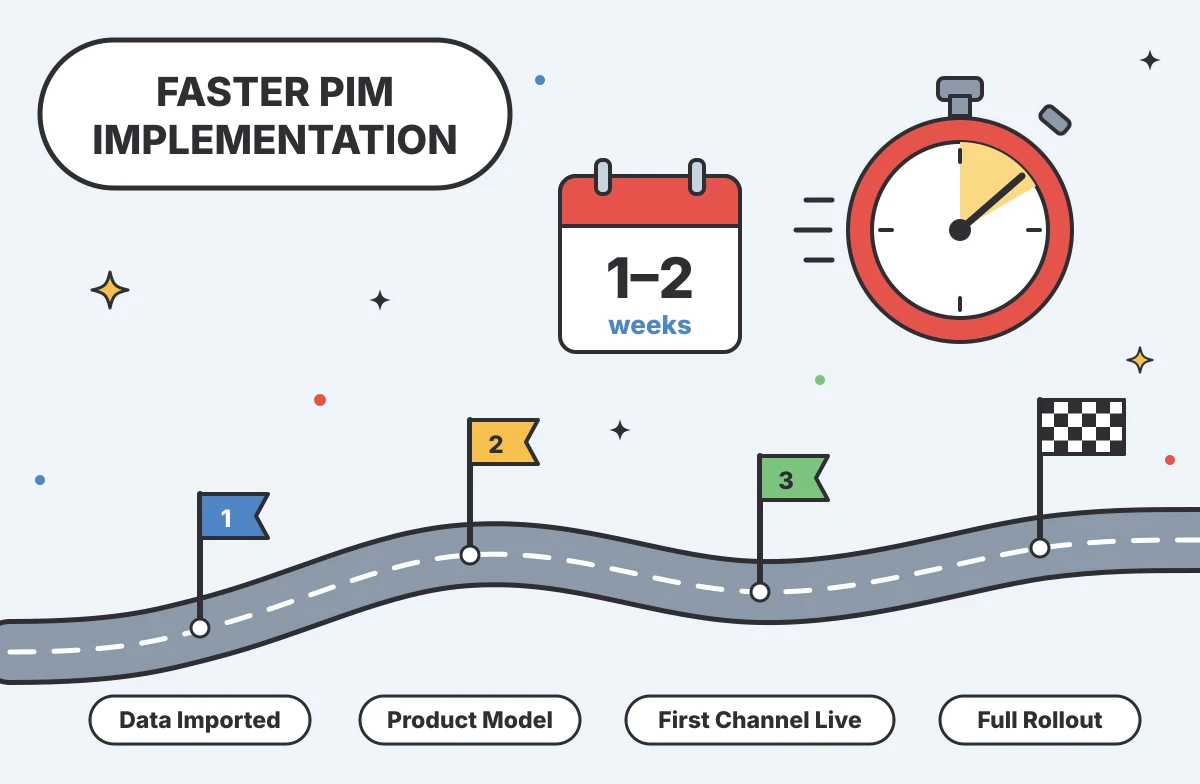
Can PIMinto Get You Live Faster Than Akeneo?
PIMinto is a candidate for a faster standard rollout based on published estimates, but evaluating whether there are any Akeneo competitors with a faster implementation requires matching project scopes. The available evidence does not establish a univ...

Mark James
-
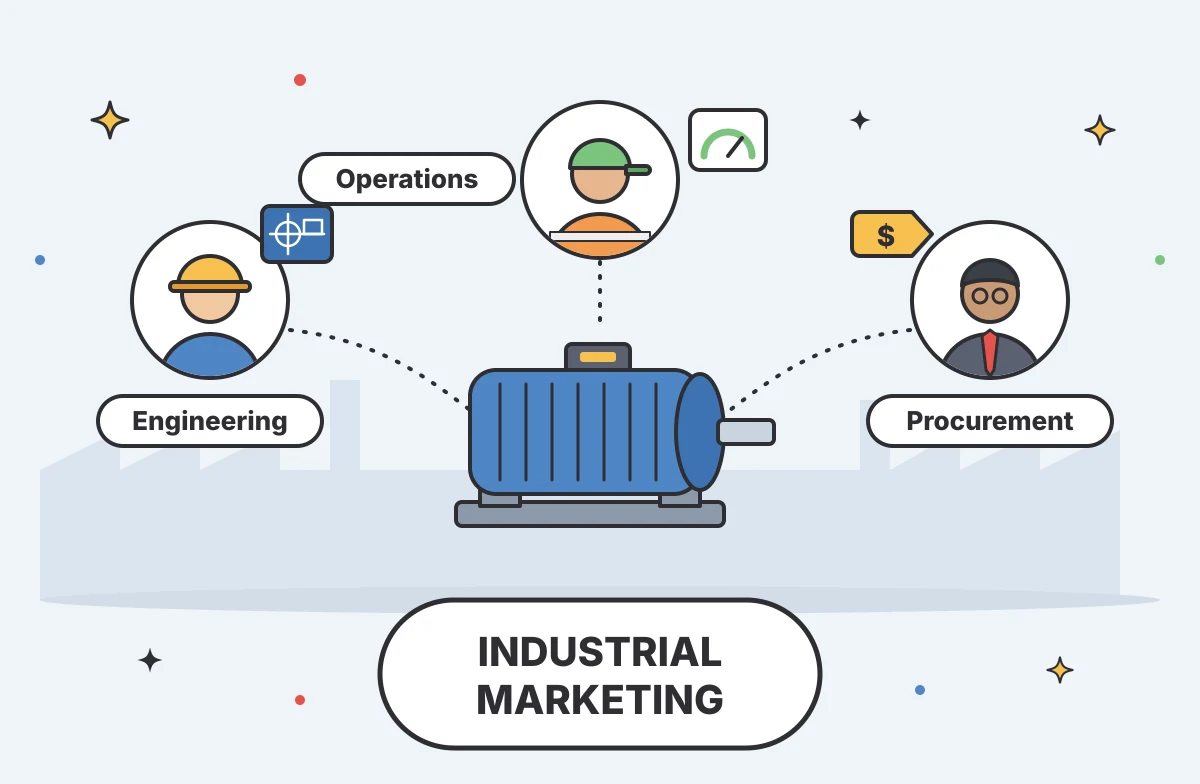
Refresh Existing Industrial Marketing Coverage
The concept of industrial marketing covers the trade in products and services between companies, especially those used in manufacturing. If you manufacture stamped steel enclosures and sell them to an automotive assembly plant, you are engaging in in...
Mark James
-
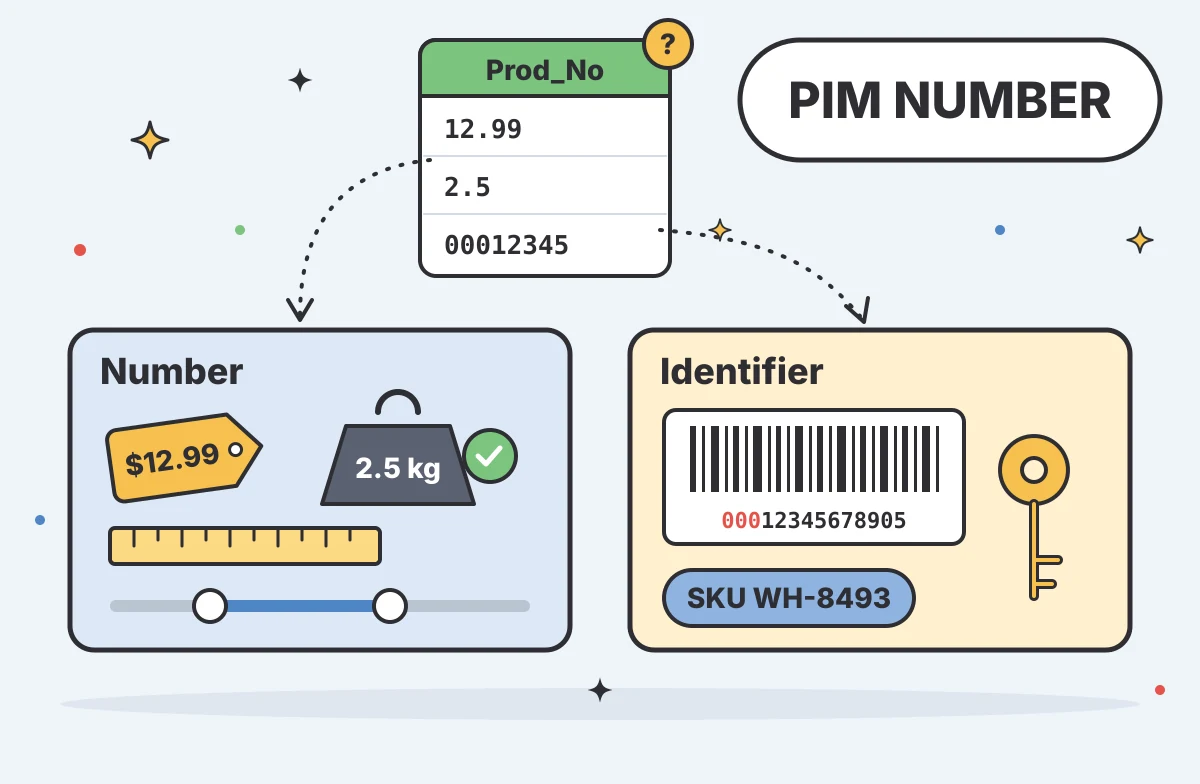
PIM Number: Numeric Field or Product ID?
On the PIMinto platform, the term "PIM number" refers to a specific attribute type used to store numeric product data, rather than a universal product identifier. Fields containing prices, quantities, and dimensions belong in a number attribute. Uniq...
Mark James
-
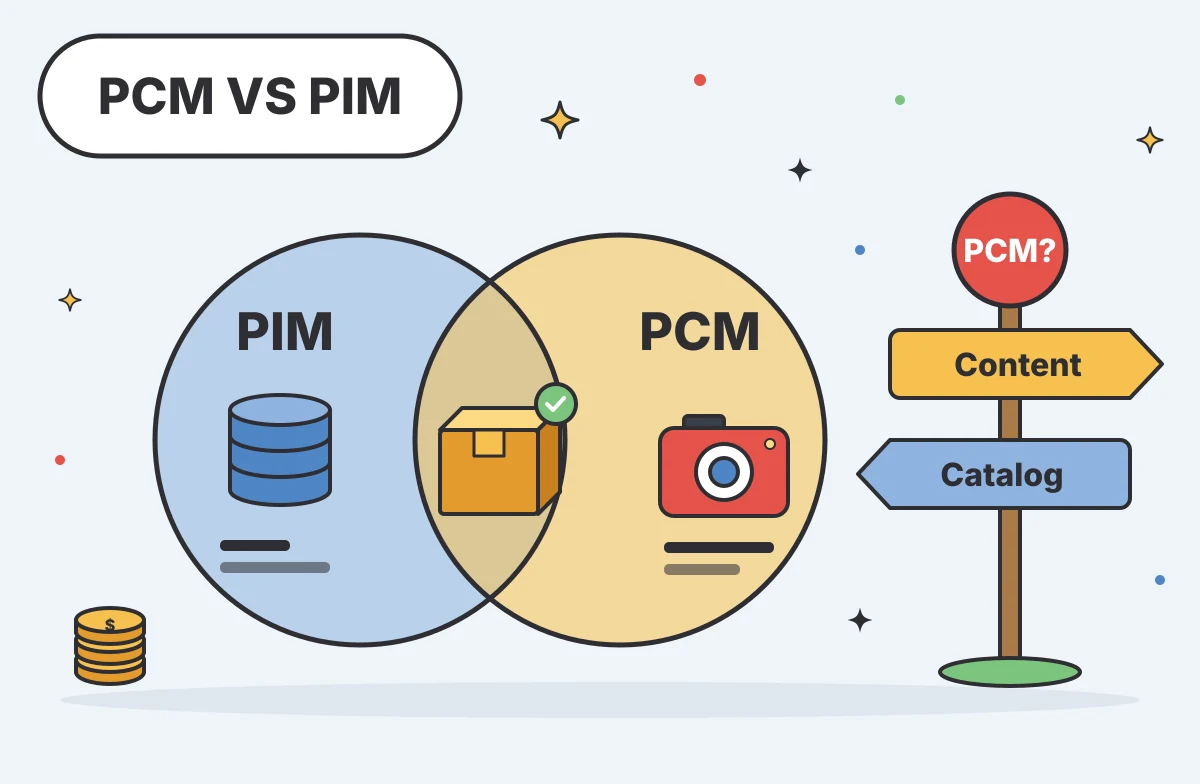
PCM vs PIM: What’s the Difference for E-Commerce Teams?
Evaluating software for your e-commerce stack requires decoding overlapping industry terms. When you compare pcm vs pim, the distinction comes down to how your team handles product data, media assets, and channel distribution. For growing e-commerce...
Mark James