Refresh Existing Industrial Marketing Coverage
Author name: Mark James
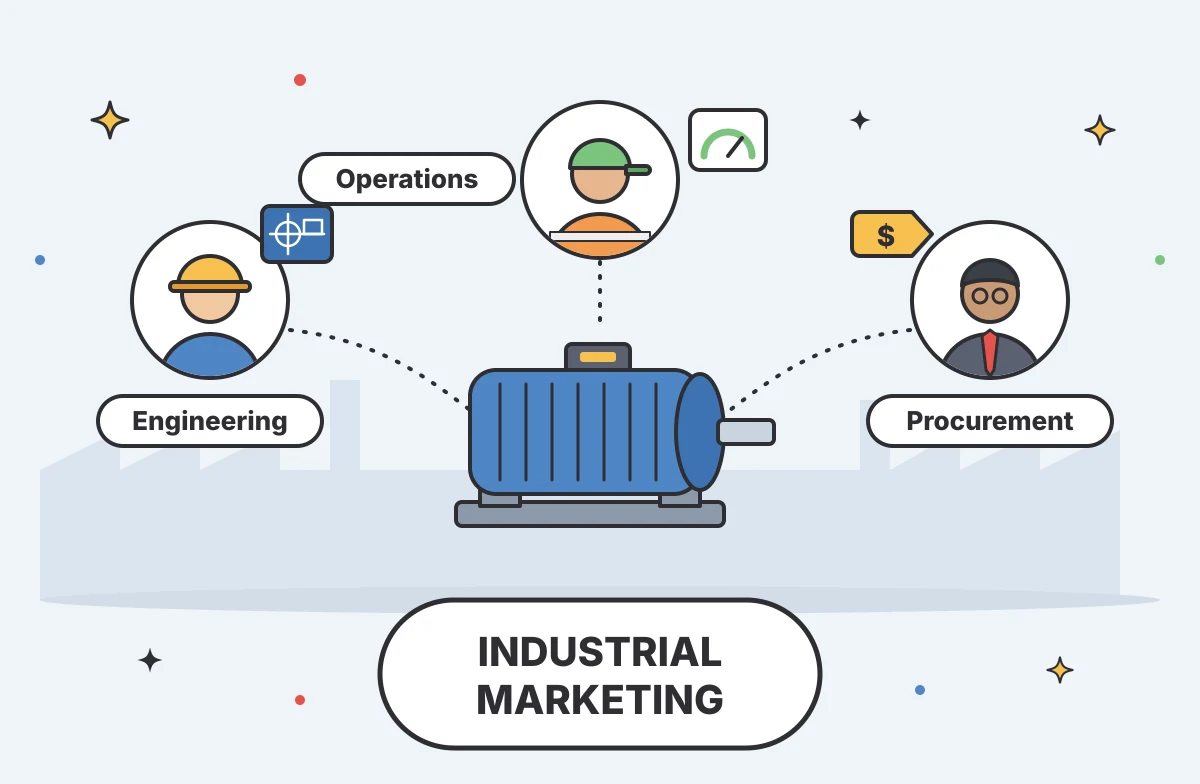
The concept of industrial marketing covers the trade in products and services between companies, especially those used in manufacturing. If you manufacture stamped steel enclosures and sell them to an automotive assembly plant, you are engaging in industrial marketing. The Cambridge Business English Dictionary defines the term this way and notes that, in some industrial marketing situations, suppliers work with buying organizations to solve technical problems. So make relevant product specifications clear and accessible for buyers working through technical requirements.
Because accurate product information supports those buying decisions, manufacturers and distributors also need a reliable way to manage it. PIMinto is a fast, accessible, transparently priced PIM/DAM solution that helps growing e-commerce and B2B brands move beyond spreadsheet chaos, with unlimited users and outputs and no bloated enterprise price tag. That gives teams a practical foundation for keeping product information consistent as their catalogs and channels grow.
How Industrial Purchases Defy Consumer Logic
While consumer marketing relies on emotional connection, brand identity, and rapid purchasing decisions, industrial transactions operate on a different frequency. Buyers prioritize risk mitigation, mathematical returns, and operational compatibility. When a facility manager evaluates a new fleet of automated guided vehicles for a warehouse, the decision involves detailed calculations of total cost of ownership, mean time between failures, and ongoing maintenance requirements.
Structure your marketing materials so engineers can evaluate technical fit. For a high-pressure fluid control system, provide thread pitches, thermal expansion coefficients, and chemical compatibility information, alongside downloadable CAD drawings, safety data sheets, and structural load reports. In the 2026 State of Marketing to Engineers survey by GlobalSpec and TREW Marketing, 34% of technical buyers selected CAD drawings among the content types likely to entice them to provide their information. So make relevant CAD files easy to access with the rest of your product documentation.
This high-stakes environment changes how you position your value. You sell reliability and uptime over innovation for its own sake, so a new feature matters only if you can prove it reduces maintenance windows or lowers power consumption over the equipment's expected service life. Your marketing copy must reflect this standard by stripping away hyperbole and focusing on verifiable performance metrics.

The Four Core Categories of Industrial Products
Industrial catalogs fall into distinct classifications, and your marketing approach changes depending on your product offering. Raw and processed materials form the foundation of manufacturing. This category includes mined minerals, agricultural products, and processed goods like sheet metal, bulk polymers, or specialized resins. Marketing these commodities requires reliable supply chains, consistent quality standards, and competitive logistics. Buyers purchase these materials in massive volumes, which means fractional differences in shipping efficiency or defect rates can dictate the winning contract. Your marketing must highlight your facility certifications, quality control processes, and delivery routing capabilities.
Capital equipment represents the most complex and expensive category, encompassing heavy machinery, factory installations, robotic work cells, and core infrastructure used to manufacture other goods. Selling capital equipment requires extensive site visits, technical consultations, and customized financial modeling. Your marketing operations must convince chief financial officers that the long-term efficiency gains justify a large upfront capital expenditure. This involves producing detailed case studies, pilot program results, and deployment timelines that prove the equipment will perform as specified in their specific facility.
Components and sub-assemblies are finished items that become integrated into a larger end-product. A company manufacturing heavy-duty electric motors for commercial conveyor belts operates in this space. Marketing components requires embedding your products into the buyer's initial design phase. You win these contracts by making your technical data accessible to research and development teams at original equipment manufacturers.
Maintenance, repair, and operations (MRO) supplies keep facilities running day to day. These items range from industrial lubricants and safety equipment to replacement bearings and janitorial supplies. Marketing MRO items looks closer to consumer e-commerce than the other categories, as you need to offer fast shipping guarantees, easy reordering portals, and aggressive bulk pricing. Procurement teams treat these items as routine expenses rather than strategic investments, so convenience and availability win the business. Exploring structured PIM for manufacturers reveals how managing product data for these diverse categories requires adaptable systems, as a bulk polymer requires different data fields than a replacement ball bearing. For growing manufacturers managing both types of products, PIMinto offers a central product hub and unlimited outputs, helping teams organize information for varied catalog and channel needs.
Addressing the Cross-Functional Buying Committee
Industrial purchases rarely rely on a single decision-maker. You must persuade a buying committee, which typically includes engineering teams, procurement managers, and operations executives. Each role approaches the purchase with competing priorities, and your marketing must address all of them simultaneously.
Design and mechanical engineers act as the initial gatekeepers who evaluate technical viability and dictate the project requirements. If you sell industrial environmental sensors, the engineer wants to know the operating temperature range, signal latency, and mounting dimensions. That need for practical product information also appears in Thomas's 2021 survey of 401 industrial buyers, 90% of whom were in the United States: 91% said a company's website quality affected their decision to partner with it, and a purchasing supervisor highlighted the value of online specifications, pricing, lead times, and stock levels. You market to engineers by providing unrestricted access to technical specifications, application notes, and integration manuals. If an engineer cannot verify a tolerance, your product will not make it onto the approved materials list.
Procurement managers focus on commercial terms, supply stability, and vendor consolidation. They want to know your volume discount tiers, payment terms, and delivery lead times. A procurement officer will block an engineer's preferred supplier if that supplier has a documented history of missed deliveries or unfavorable contract terms. Your marketing assets for this audience include corporate sustainability reports, vendor compliance documents, and supply chain transparency data. They need proof that doing business with you is financially safe.
Operations and plant managers care about implementation and daily execution. They need to know how the new equipment integrates with legacy systems, what the maintenance schedule looks like, and whether it will require extensive operator training. You reach this group with documentation detailing smooth installations, safety compliance records, and guaranteed service level agreements. Managing these overlapping demands requires a content strategy that serves distinct formats to distinct roles during different phases of the long buying cycle.
Centralizing the Technical Data Supply Chain
Because industrial marketing relies on exact specifications, your product data functions as your most valuable commercial asset. An industrial catalog can contain many SKUs, each with technical attributes ranging from voltage ratings and thread depths to hazardous-material compliance codes. Managing this information in disconnected spreadsheets often leads to version control issues. An outdated specification in an industrial catalog can lead to field errors, costly rework, and lost contracts.
This is where a Product Information Management platform can support growth. PIMinto gives teams a central product hub for organizing technical data, which helps them prepare consistent information for websites, distributor networks, and other outputs. Instead of emailing outdated PDF spec sheets across the organization, teams can work from a managed source of product information. For more complex businesses, PIMinto also supports custom implementations, supplier data, custom ERP integrations, and complex data schemas.
A dedicated Product Information Management platform can help teams organize product information alongside the digital assets that support it. Industrial marketing requires managing technical drawings, installation videos, and compliance certificates with the relevant product information. PIMinto is a PIM/DAM solution for teams that need to manage product information and digital assets as their catalogs grow. A consistent data workflow also helps teams standardize terminology across legacy items, so buyers can evaluate products using clear, consistent descriptions.
Scaling an industrial catalog also means meeting the specific data formatting requirements of different sales channels. One wholesale partner might require measurements in inches, while another requires millimeters. Google Shopping requires specific product categorization taxonomies that differ from a specialized industrial distributor's portal. PIMinto supports unlimited outputs, helping teams prepare product information for different channel requirements as they scale. Its connectors include Google Shopping, WooCommerce, Wix, BigCommerce, and Shopify. Shopify's Feed sends data to Shopify, while Sync pulls data from Shopify.

Aligning Channels with Industrial Purchasing Behavior
Technical buyers complete much of their buying process online before speaking with a supplier. The 2026 State of Marketing to Engineers survey by GlobalSpec and TREW Marketing found that respondents estimated 62% of their buying process happens online before contacting a vendor, with reported figures ranging from 62% among buyers ages 56 and older to 66% among those 35 and under. That makes technical SEO a practical priority, so optimize product pages for specific tolerances, material grades, and legacy part numbers. For a NEMA 4X stainless steel electrical enclosure, make key specifications prominent and offer filters for dimensions and mounting types.
Beyond organic search, you have to place your brand where technical buyers educate themselves. Paid placements in industry-specific trade publications and targeted advertising in industrial marketing campaigns keep your company visible during the long stretches between active buying cycles. This constant market presence builds baseline familiarity. When a facility upgrade receives funding and the engineering team begins their research, your brand is already recognized as a trusted authority.
Trade shows and technical webinars provide a platform for deeper engagement. Physical trade shows offer the tactile verification that large capital equipment purchases require. Buyers can inspect weld quality and machine tolerances in person. Webinars serve a different function, allowing your application engineers to conduct detailed analyses of specific manufacturing challenges. These technical presentations generate strong leads, as attendees self-identify as having the problem your product solves.
Distributor networks form another major channel for industrial manufacturers. Many producers do not sell directly to end-users, relying instead on specialized industrial distributors and wholesale networks. Marketing in this model means enabling your channel partners. You provide them with enriched product data feeds, co-branded marketing materials, and extensive training resources. By making your products easier to understand and quote than your competitor's lineup, you encourage distributor sales teams to lead with your brand when talking to their customers.
Structuring Your Systems for Industrial Growth
Industrial marketing requires precision, patience, and absolute data accuracy. You succeed by treating technical information as a strategic asset rather than a clerical afterthought. Industrial buyers demand transparency at every stage of the evaluation process, and providing clear, consistent specifications builds the trust required to close complex, high-value contracts across multiple stakeholders.
When your product catalogs grow complex and manual spreadsheet management starts causing costly errors across your sales channels, you need a dedicated system to regain control. PIMinto provides a central hub for organizing product data and digital assets, giving growing businesses a way to manage sprawling SKUs without relying on disconnected spreadsheets. Migration from any PIM is included, and unlimited users and outputs let teams scale without adding user or output limits. Paid plans start at $300 per month, and PIMinto includes connectors to Google Shopping, WooCommerce, Wix, BigCommerce, and Shopify. For Shopify, Feed sends data to Shopify and Sync pulls data from Shopify. Visit PIMinto.com to start a 30-day full-featured trial and align your product data with your marketing strategy.
Frequently Asked Questions
What is the main difference between B2B and industrial marketing?
Industrial marketing is a specialized subset of B2B marketing. While standard B2B includes selling software to accounting firms or office furniture to corporate spaces, industrial marketing focuses on products used in manufacturing, construction, and physical plant management. The transactions often involve technical evaluation, compliance requirements, and input from several departments, so marketing materials need to support both product assessment and business approval.
Who makes the purchasing decisions in industrial markets?
Industrial purchases often involve a committee rather than one decision-maker. Engineers evaluate whether a product meets technical requirements, procurement teams assess vendors and commercial terms, and operations leaders consider implementation, uptime, and safety. The specific roles vary with the product and the organization, so marketers benefit from identifying each stakeholder's approval criteria early in the buying process.
Why do industrial companies need specialized product data tools?
Industrial product records can include dimensions, operating limits, compliance details, and supporting documents, with requirements that differ across product types. A product data system helps teams maintain consistent information as catalogs expand and sales channels multiply. Clear ownership and review processes matter as well, since a tool cannot resolve outdated or conflicting specifications without accurate source data.
How long is a typical industrial sales cycle?
Industrial sales cycles vary by product type, technical review, budget approval, and implementation planning. A replacement part may move through purchasing faster than a custom machine or facility-wide system, while large projects can require multiple rounds of validation and commercial review. Rather than assume a standard duration, map the buyer's specific approval steps and identify where technical or financial reviews may add time.
What marketing channels work best for industrial products?
Technical search engine optimization can attract buyers searching for specific part numbers or engineering tolerances. Industry-specific trade publications, technical webinars, and physical trade shows give manufacturers additional ways to reach and educate buyers. Detailed product catalogs distributed through specialized wholesale networks also help channel partners answer customer questions and quote products with confidence.
Modified on: 2026-11-22
Blogs you might like
-
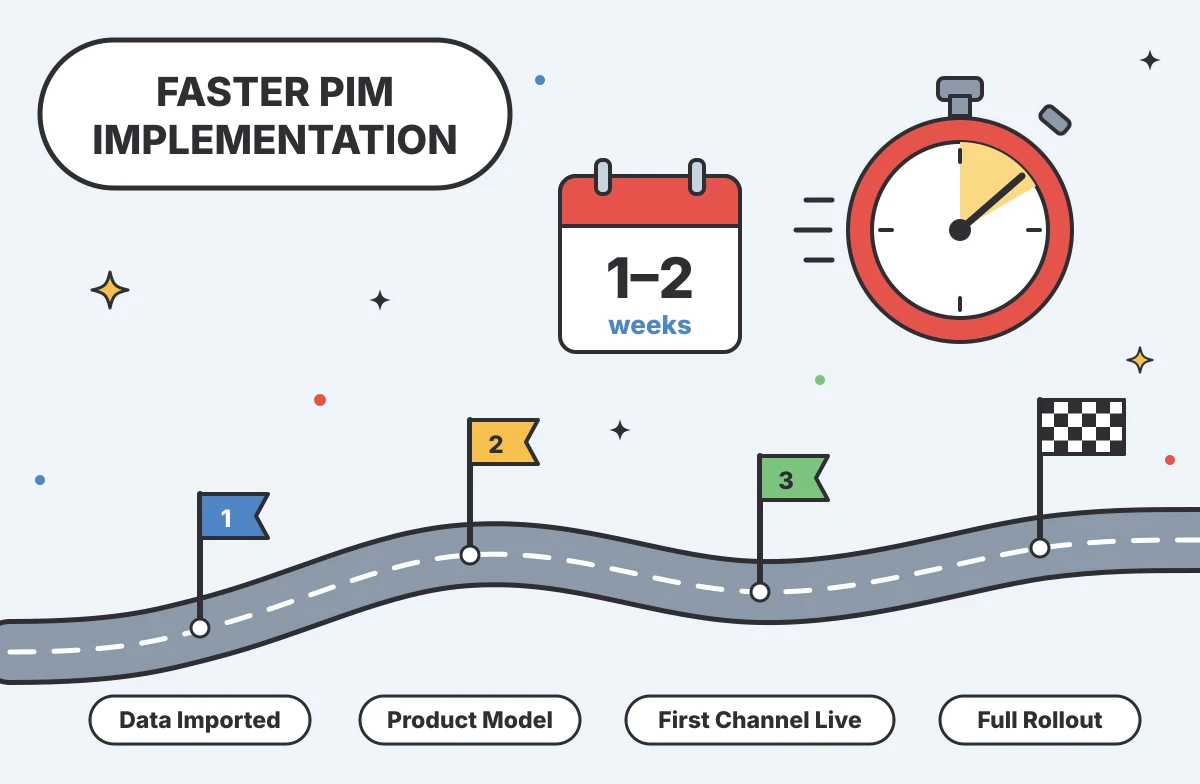
Can PIMinto Get You Live Faster Than Akeneo?
PIMinto is a candidate for a faster standard rollout based on published estimates, but evaluating whether there are any Akeneo competitors with a faster implementation requires matching project scopes. The available evidence does not establish a univ...

Mark James
-
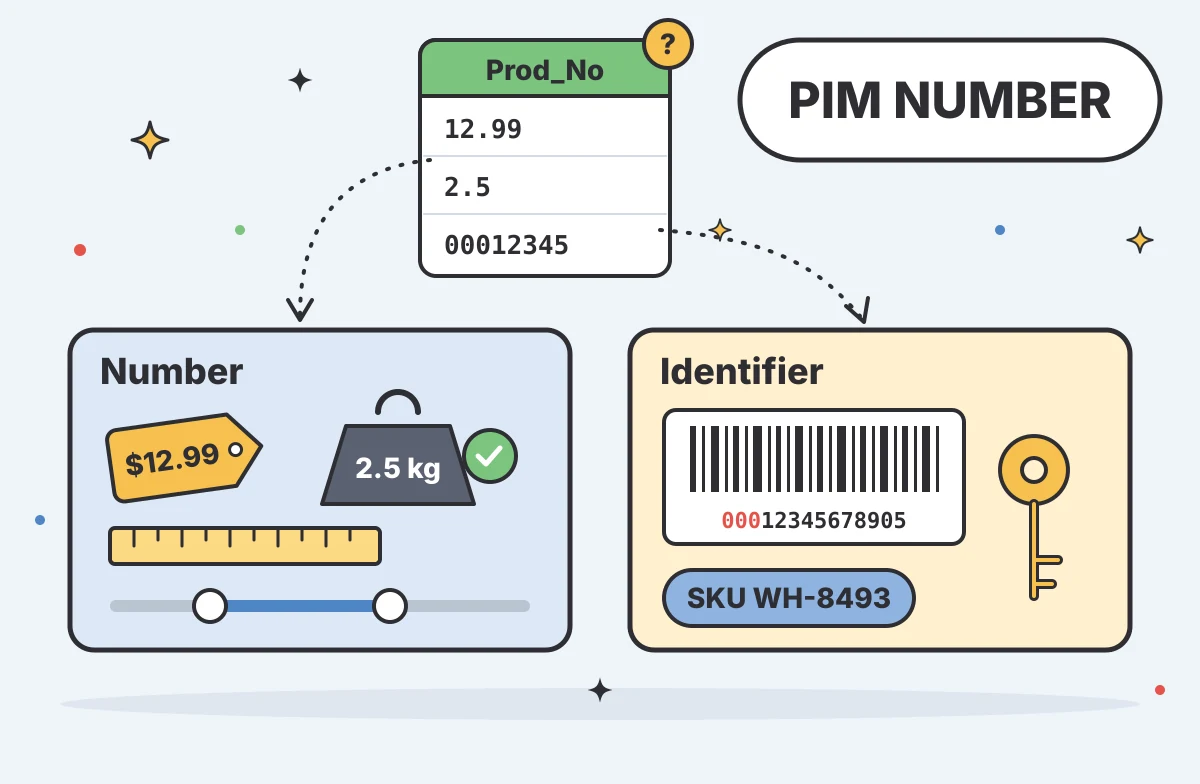
PIM Number: Numeric Field or Product ID?
On the PIMinto platform, the term "PIM number" refers to a specific attribute type used to store numeric product data, rather than a universal product identifier. Fields containing prices, quantities, and dimensions belong in a number attribute. Uniq...
Mark James
-
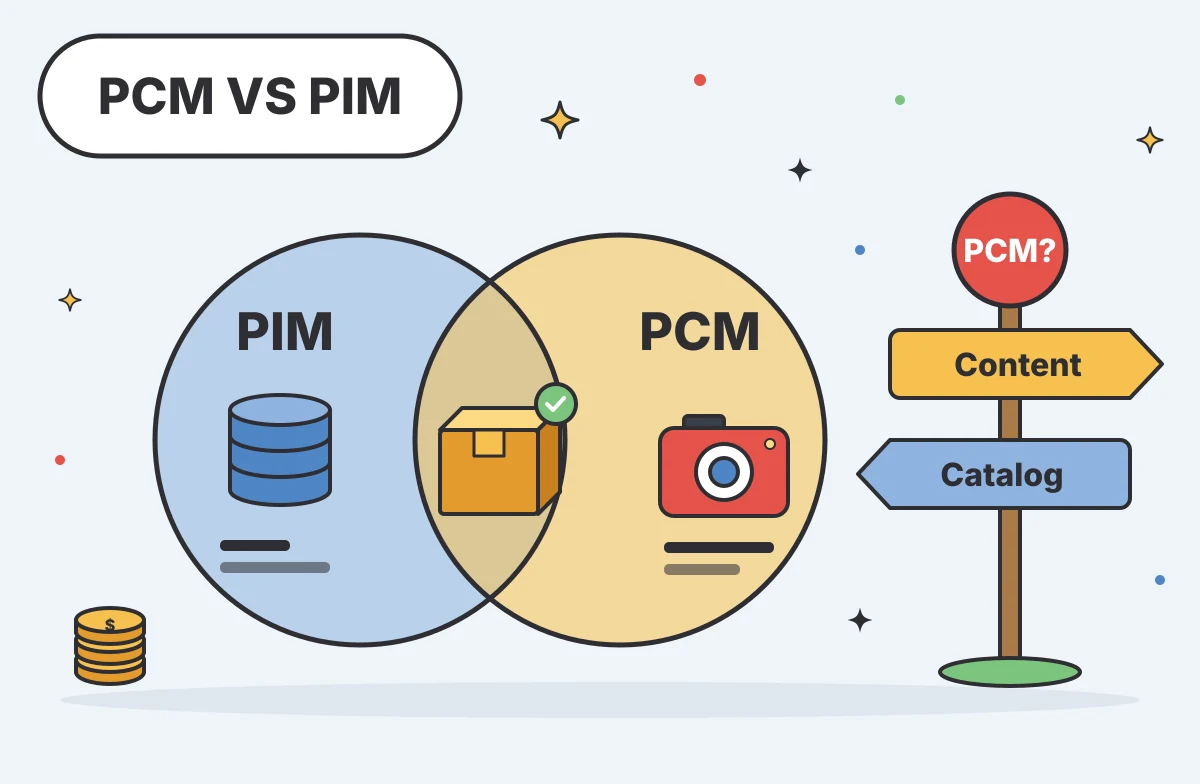
PCM vs PIM: What’s the Difference for E-Commerce Teams?
Evaluating software for your e-commerce stack requires decoding overlapping industry terms. When you compare pcm vs pim, the distinction comes down to how your team handles product data, media assets, and channel distribution. For growing e-commerce...
Mark James
-
Akeneo Activation vs. Inriver Syndicate Advance for U.S. Retail Channels
Getting approved product content, variants, and media to each retailer in the required format remains a persistent operational challenge. Merchandising teams need to know exactly how a platform handles this complex distribution before committing to a...
Mark James