Can PIMinto Get You Live Faster Than Akeneo?
Author name: Mark James
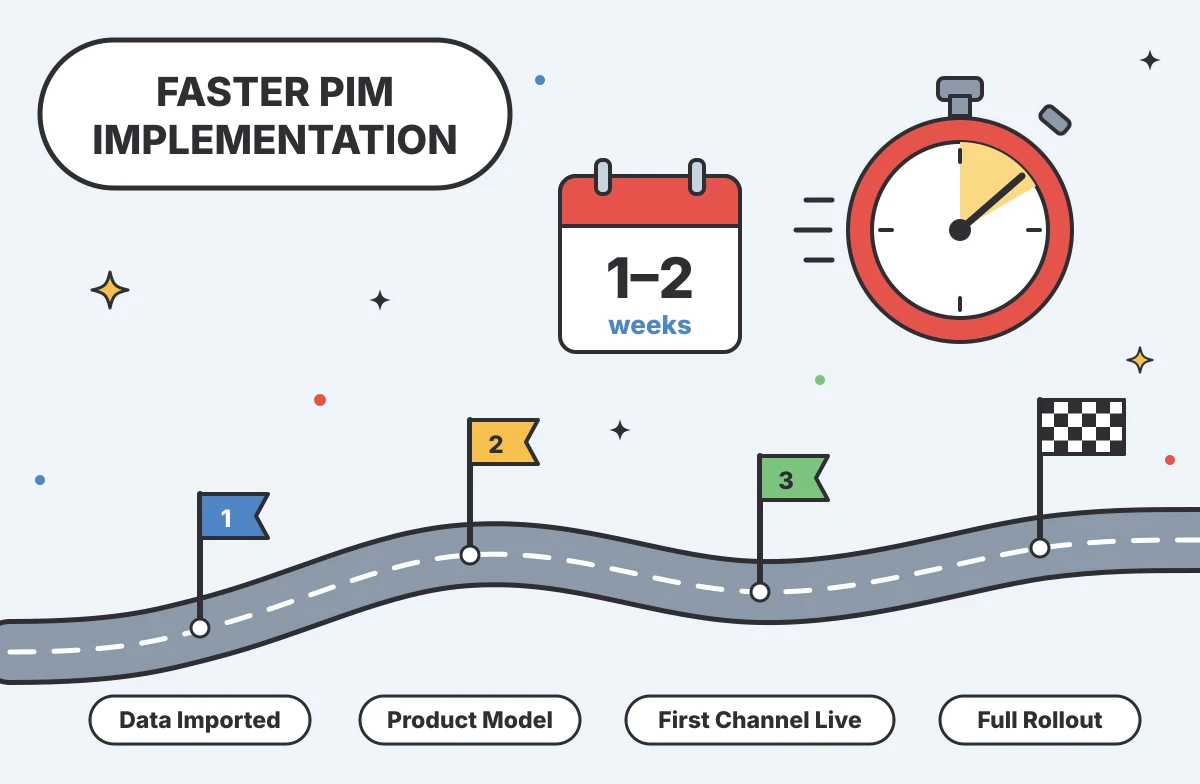
PIMinto is a candidate for a faster standard rollout based on published estimates, but evaluating whether there are any Akeneo competitors with a faster implementation requires matching project scopes. The available evidence does not establish a universal timeline win over Akeneo, because Akeneo projects are governed by custom scopes rather than a single schedule. A timeline is meaningful only when its start, endpoint, and included work match across vendors. Comparing a two-week data transfer against a three-month enterprise integration obscures the work required to launch a product catalog.
To find an accurate schedule, you have to define the deliverables. Every software vendor and service partner measures project duration differently. Some start the clock at contract signing, while others begin counting when the internal team delivers cleaned source data. Identifying exactly what happens between kickoff and launch prevents unexpected delays and unbudgeted consulting hours.
Define “Live” Before Comparing Timelines
A headline estimate rarely tells the whole story of a software deployment. Vendors often use the same terminology to describe different project phases. Before accepting any timeline, ask the project team to document the specific milestones that mark the end of their responsibility and the beginning of yours.
Separate Data Migration From Implementation
Moving records from a spreadsheet into a database is a preliminary step. Transferring product data gives a platform raw material to work with, but that data is rarely ready for publishing. An export from an older system often contains concatenated fields, missing attributes, and broken image links that require immediate attention.
A full implementation involves the product model, supplier and channel mapping, integration testing, and user training. Taxonomy rules dictate how products sit in categories. Attribute modeling determines which fields apply to a t-shirt versus a power tool. Supplier mappings tell the system how to read incoming vendor feeds, while channel mappings translate internal data into the specific formats required by external storefronts. Workflow configuration establishes who approves a description before it goes public. A schedule that accounts only for data migration will leave your team responsible for building the required architecture.
Define the Go-Live Event
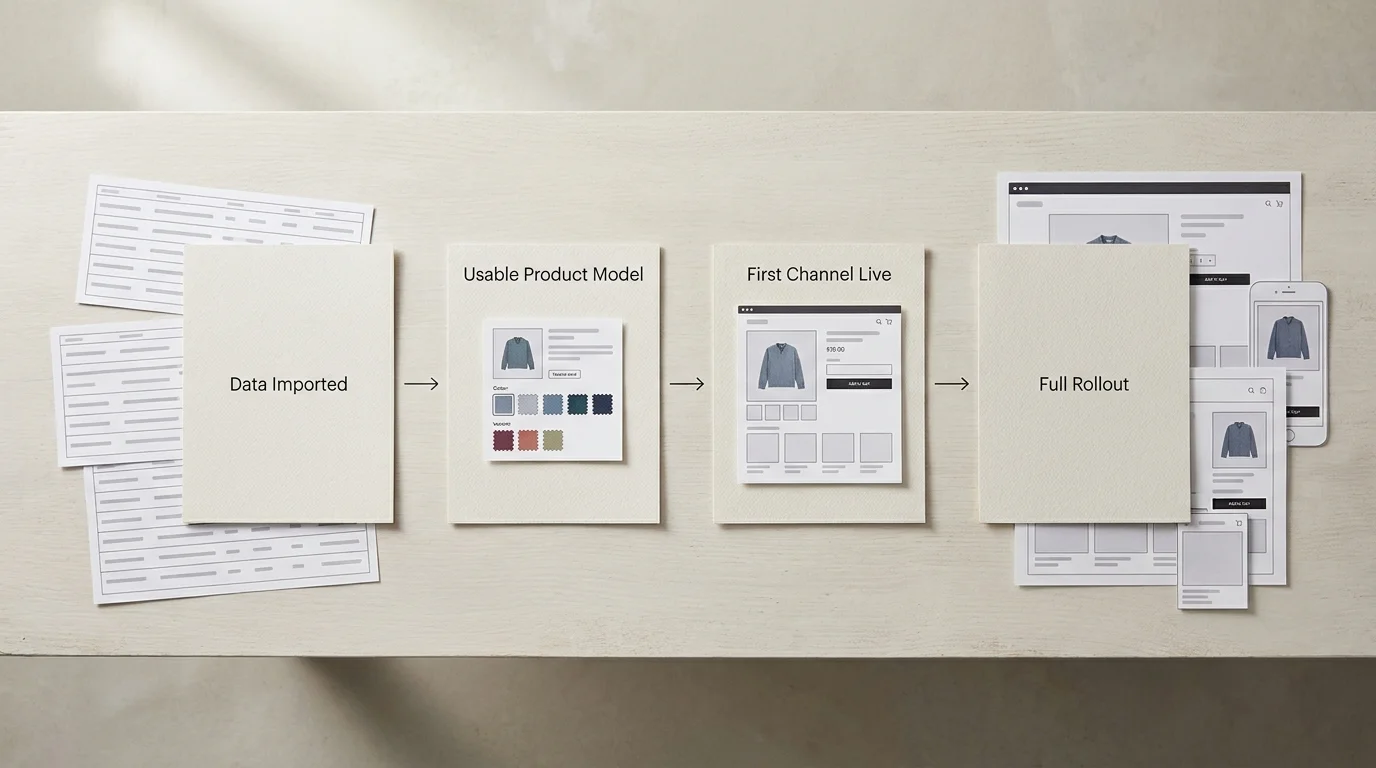
The endpoint of a project also varies by vendor. Account readiness means the software environment exists and users can log in, but no catalog data is present. An imported catalog means the raw data sits in the system, though it may lack structure or relationships. A usable product model means the internal team can enrich items, assign assets, and manage variants using configured workflows.
The highest standard for a go-live event is a working channel publishing approved data. This milestone proves that the system can successfully export an enriched product, including its variants and images, to a public storefront or distributor portal. A full rollout expands this capability to every planned sales channel. When comparing schedules, verify whether the quoted timeline ends at a logged-in empty account or a successful syndication event.
Evaluating Published Implementation Timelines
The available figures come from differently scoped company and partner sources rather than a shared benchmark. Vendors provide estimates based on their specific target markets and typical integration methods. Reviewing these published timelines shows the assumptions each company makes about data readiness and project complexity.
PIMinto’s Published Estimates
PIMinto publishes standard timelines tailored to its primary audience of growing brands. For business-to-business deployments, the company states that standard implementations take one to two weeks for most B2B use cases. This schedule assumes the internal team has a defined product structure and uses supported connection methods. Custom ERP integrations, expansive dealer networks, and custom storefront development depend entirely on the required scope and will extend that timeline.
For customers moving away from legacy platforms, the company notes that most migrations take one to two weeks. Data migration, onboarding, and training are included with every subscription. Paid plans start at $300/month and feature unlimited users and outputs, alongside a 30-day full-featured trial. Because the system includes native API connectors for major e-commerce platforms, the standard timeline bypasses the need for custom middleware development for supported channels.
Akeneo’s Services and Partner Evidence
Akeneo supports implementations through professional services and a solution-partner ecosystem. For Enterprise Edition customers, its professional-services support model includes functional workshops, project guidance, ongoing technical support, and a post-go-live health check. Those solution partners help customers adopt, integrate, and deploy Akeneo within their technology ecosystem.
Partner agencies describe implementation timelines according to project scope and complexity. One partner, Sitation, reports completing Lordco Auto Parts’ Akeneo implementation in 12 weeks. The project involved 862,000 product records and 55 million fitment records. Another integration agency, StrikeTru, says SMB implementations typically take 8 to 12 weeks, enterprise implementations generally take three to six months, and highly complex projects take six to nine months. Taken together, these partner-specific examples show a range of timelines rather than one standard duration for Akeneo projects.

Factors That Extend an Implementation Schedule
Software configuration accounts for only a fraction of an implementation schedule. The condition of the source data and the complexity of the required outputs dictate the bulk of the required work. When a project timeline expands, the cause usually points back to data cleanup, complex product relationships, or custom routing requirements.
Source-data cleanup often halts progress immediately after kickoff. If existing product sheets contain multiple values jammed into a single text field, a team member must separate that data into distinct attributes before the system can filter it. Normalizing units of measurement, fixing spelling errors, and standardizing brand names require manual review. When supplier file formats vary significantly, someone has to build individual mapping rules to translate each incoming feed into the central platform language.
Complex variants and product relationships multiply the mapping effort. A product model that includes a base item, ten color variants, and five size variants per color requires specific inheritance rules. The system needs to know which attributes apply to the parent and which belong to the child SKU. Cross-selling relationships, bundle configurations, and replacement-part links demand deliberate architecture decisions. If the catalog relies on dimensional data or industry-specific fitment standards, the validation phase takes significantly longer.
Asset links introduce another layer of validation. Images, safety data sheets, and assembly videos must map to their respective SKUs. If the legacy system stored assets with inconsistent naming conventions, the automated matching process will fail. Teams must then manually assign files to products or rename thousands of assets to match the new naming logic.
External connections determine the final leg of the schedule. Custom ERP work requires dedicated developer time to establish secure data flows, handle API rate limits, and resolve synchronization conflicts. Dealer networks often need localized catalogs with specific pricing tiers and restricted assortments. Channel-specific mappings force teams to translate internal attributes into the exact naming conventions required by distinct marketplaces. Approval workflows add organizational friction, as business users must review and sign off on data structures before the technical team can proceed. Every custom requirement adds a discrete testing and validation block to the timeline.
Validating a Vendor’s Timeline Before Signing
Comparing abstract estimates leads to mismatched expectations. To find an accurate timeline, give each vendor the same representative data and the same first-release target. A schedule based on your actual product complexity provides a reliable baseline for evaluating platforms.
Request a Scope-Matched Estimate
A transparent estimate details every phase of the project and assigns specific ownership to every task. Ask the vendor whether their quoted timeline includes data cleanup, taxonomy design, attribute modeling, asset mapping, user training, integration testing, and final cutover.
Determine who owns field mapping and validation. If the vendor expects your team to deliver perfectly formatted import files, your internal workload will increase. Identify which connections are prebuilt and which require custom development. A native integration reduces testing time, while a custom middleware project introduces unpredictable delays. Require the vendor to define the exact event that counts as live. A project is complete only when the system successfully supports your intended business process.
Test the First End-to-End Workflow
The most effective way to validate an implementation timeline is to test a representative slice of your catalog. Ask the implementation team to load a selection of products that includes your most complex variants. Have them map the first data source, validate the attached asset links, and demonstrate a successful output to a test storefront.
PIMinto operates as a practical candidate for a growing team when its supported workflow fits the project scope. The system handles storefront connections through specific mechanisms: the Shopify Feed sends data to Shopify, while Shopify Sync pulls data from Shopify. Working connectors also cover BigCommerce, WooCommerce, Wix, and Google Shopping. Relying on included migration, included onboarding, and supported connectors reduces initial setup work.
Custom ERP routing, specific dealer-network portals, and bespoke storefront needs still require tailored, scoped estimates. Attempting to launch every custom channel simultaneously guarantees a long deployment phase. Estimating the first required storefront or distributor workflow establishes a predictable initial launch, allowing the team to add subsequent channels iteratively.
Choose a Timeline You Can Verify
Comparable milestones and clearly assigned tasks matter more than the shortest headline estimate. PIMinto’s published standard-project timelines position the platform as a candidate when the rollout fits its supported scope, while complex custom projects will always require a tailored plan. Akeneo’s services and partner examples should be judged by their stated deliverables and the immense scale of the catalogs they support. Compare vendors by demanding a scope-matched estimate, verifying the connection methods, and testing the exact workflow your business needs to publish product data successfully.
Frequently Asked Questions
How long does an Akeneo implementation take?
Implementation length depends on project scope rather than a single platform-wide timeline. Sitation says it sets the schedule during discovery and cites its Lordco Auto Parts project as a 12-week implementation involving 862,000 product records and 55 million fitment records. Ask vendors to define the specific catalog scope and connection requirements behind any quoted estimate.
What does an Akeneo implementation include?
Sitation describes its implementation work as discovery and planning, data modeling and taxonomy, platform configuration, system integrations, testing, business-user training, and go-live support. Compare vendor proposals against this work list. An estimate limited strictly to account setup or initial data import does not provide a launch-ready catalog environment.
What should we prepare before an Akeneo implementation?
Sitation recommends preparing representative product data that includes variants, a list of systems to connect, the channels and markets for the first release, and named product owners. Identifying who will handle data cleanup, asset mapping, supplier feeds, approvals, and testing helps define the project scope and establishes a more accurate implementation schedule.
Which systems can Akeneo connect to?
Sitation describes integrations with systems such as ERP and e-commerce platforms as a core part of its implementation work. The timeline depends entirely on the specific systems, connection methods, and data flows required. Give the implementation team a list of required platforms and ask which connections are prebuilt and which require custom development.
What support is available after go-live?
Post-launch support depends heavily on the chosen service package. Sitation says its own implementations include hands-on go-live support and a 30-day warranty period. Confirm the defect-fix window, data-correction responsibilities, response expectations, and ongoing support terms directly in the project agreement before beginning the deployment phase.
Modified on: 2026-11-23
Blogs you might like
-
Refresh Existing Industrial Marketing Coverage
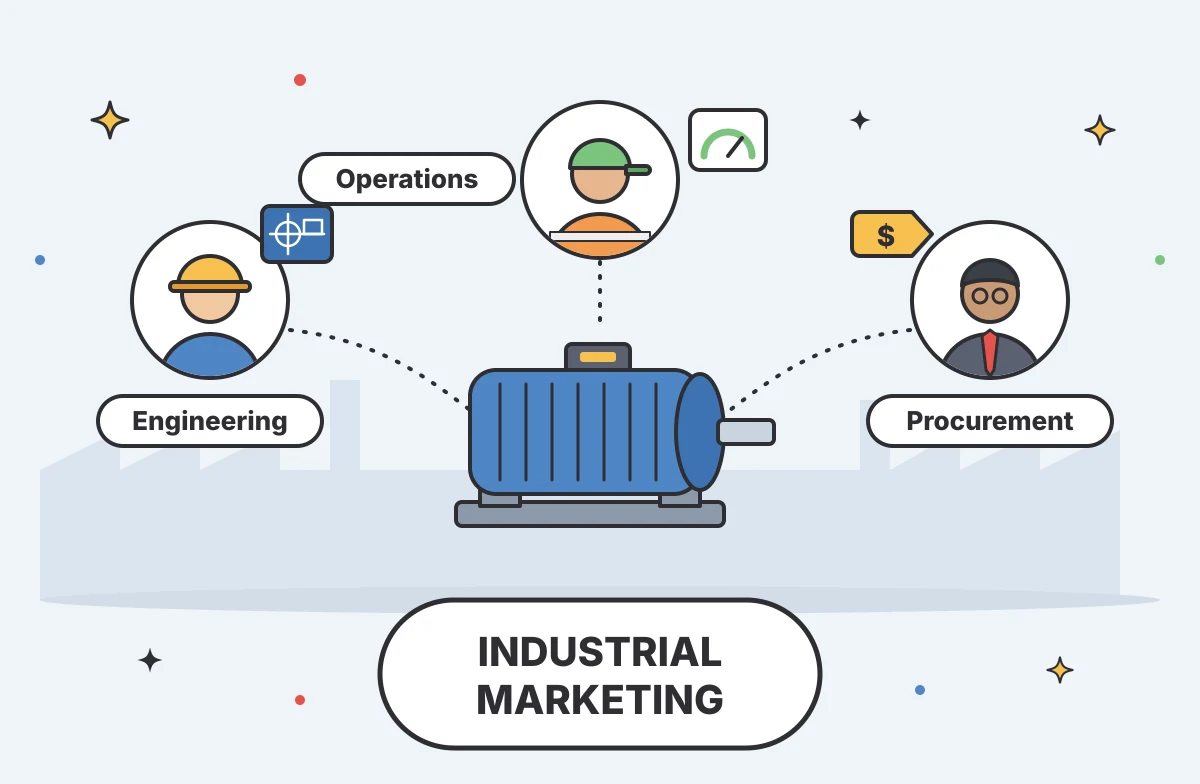
The concept of industrial marketing covers the trade in products and services between companies, especially those used in manufacturing. If you manufacture stamped steel enclosures and sell them to an automotive assembly plant, you are engaging in in...

Mark James
-
PIM Number: Numeric Field or Product ID?
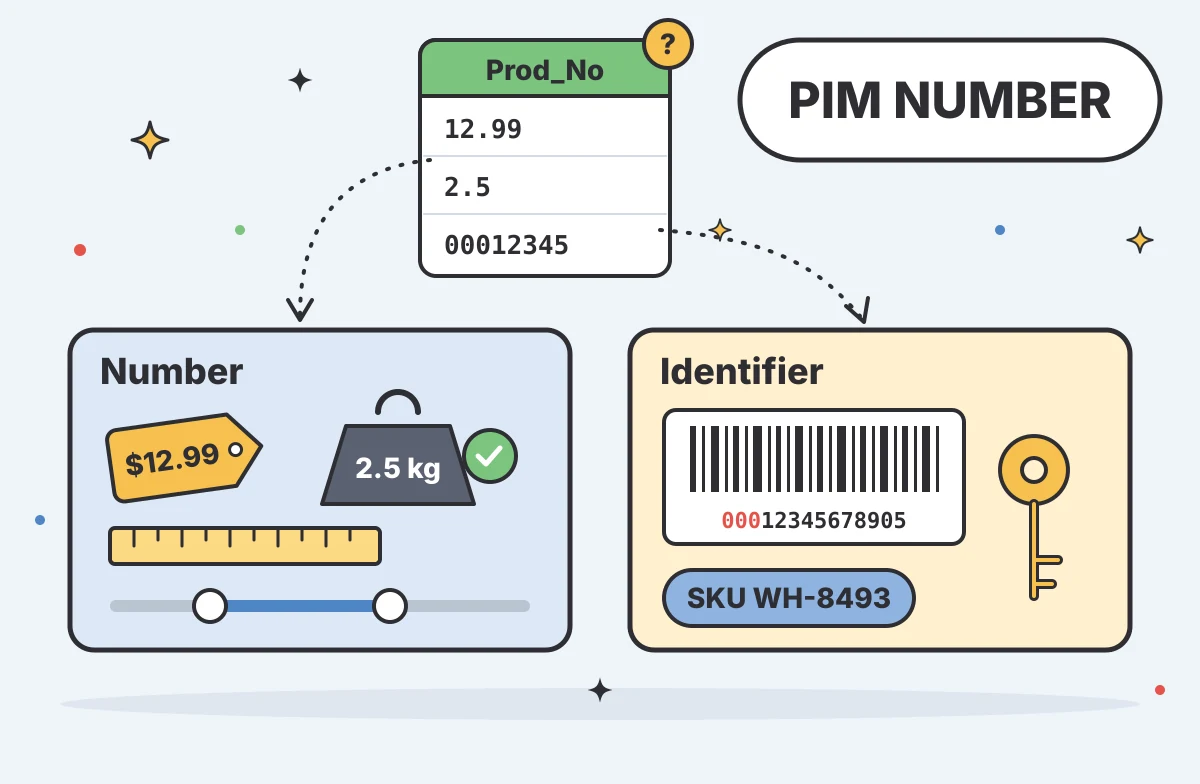
On the PIMinto platform, the term "PIM number" refers to a specific attribute type used to store numeric product data, rather than a universal product identifier. Fields containing prices, quantities, and dimensions belong in a number attribute. Uniq...
Mark James
-
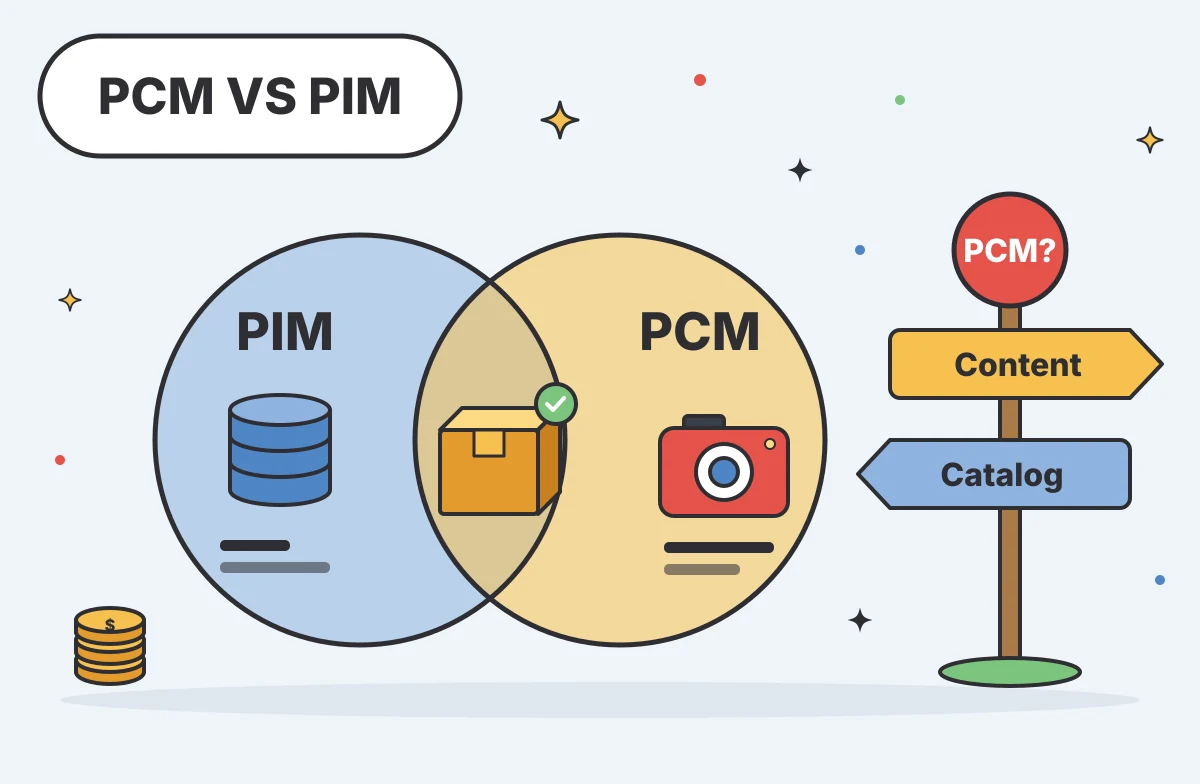
PCM vs PIM: What’s the Difference for E-Commerce Teams?
Evaluating software for your e-commerce stack requires decoding overlapping industry terms. When you compare pcm vs pim, the distinction comes down to how your team handles product data, media assets, and channel distribution. For growing e-commerce...
Mark James
-
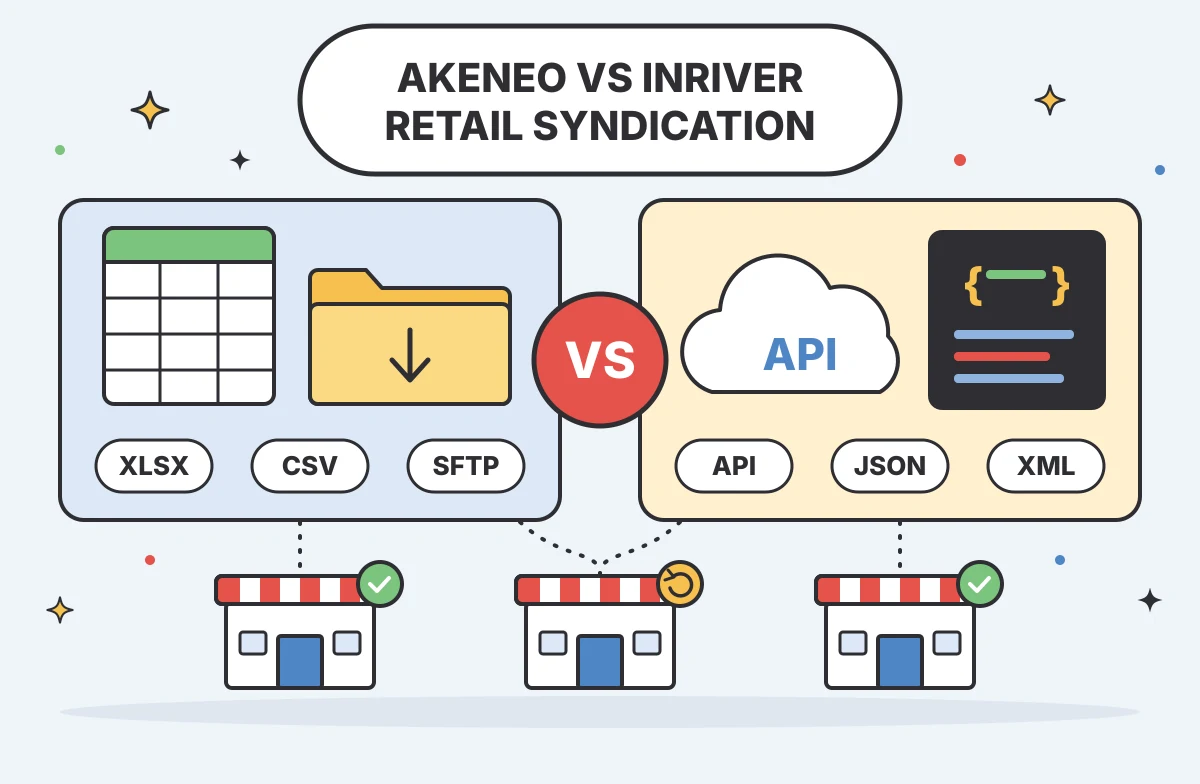
Akeneo Activation vs. Inriver Syndicate Advance for U.S. Retail Channels
Getting approved product content, variants, and media to each retailer in the required format remains a persistent operational challenge. Merchandising teams need to know exactly how a platform handles this complex distribution before committing to a...
Mark James