How to Write SEO Product Descriptions
Author name: Mark James

Bad product copy kills clicks and sales. Want copy that shows up in Google and convinces shoppers? Follow these five steps and turn your catalog into a traffic magnet.
Step 1: Research Search Intent and Product Keywords
Start with the questions shoppers actually ask. Use a keyword tool to pull terms that match the product type, brand, and buyer need. Look for long‑tail phrases, they signal purchase intent and face less competition.
Map each keyword to a specific SKU. That way you know which description will rank for "organic cotton baby onesie" versus "eco‑friendly infant sleepwear".
Check the search intent behind each phrase. If the query includes "review" or "compare," weave in pros, cons, and comparison points. If it’s "buy" or "price," focus on price, availability, and a clear call‑to‑action.
Keep a spreadsheet of keyword, intent, and target product. It becomes the master list you’ll feed into your PIM.
For a solid definition of SEO, see this overview of search engine optimization. It explains why aligning copy with intent matters for rankings.
Our AI‑powered product description generator can auto‑populate draft copy based on the keyword list, saving you hours of manual writing. AI-powered product description generator integrates directly with your catalog.

Step 2: Build a Search‑Friendly Product Description Structure
Structure gives search bots a clear signal about what matters. A proven layout looks like this:
Title with primary keyword
Short, punchy intro (under 160 characters)
Feature bullet list (each bullet starts with a benefit)
Detailed paragraph that answers the buyer’s main question
Technical specs in a table
FAQ that mirrors real customer queries
Use schema markup to describe each part. Product schema, breadcrumb markup, and FAQ markup can help search engines interpret page content and support rich results.
When you feed this template into a PIM, every SKU gets the same clean skeleton, which you can then enrich with unique copy.
Our 7 reasons why your business needs a PIM explain how a single source of truth fuels this structure. 7 reasons why your business needs a PIM.
Step 3: Optimize Titles, Meta Data, Images, and Variants
Title tags should start with the primary keyword and stay under 60 characters. Example: "Organic Cotton Baby Onesie, Soft, Sustainable, $29".
Meta descriptions need a hook and the keyword, but keep them under 160 characters so Google doesn’t truncate them.
Images are searchable too. Write alt text that describes the product and includes a keyword, like "organic cotton baby onesie front view".
For each color or size variant, create a unique URL and a short title that adds the variant detail. Avoid duplicate meta tags across variants, Google treats them as thin content.
Product structured data can include price, availability, and review markup so your items can appear as rich snippets.
Our PIM for eCommerce lets you edit titles, meta fields, and alt text in bulk, eliminating the manual copy‑paste nightmare. PIM for eCommerce syncs those changes to every channel.
Step 4: Adapt Descriptions for Different E‑Commerce Channels
Each marketplace has its own limits. Amazon caps titles at 200 characters, Shopify lets you use rich HTML, and Google Shopping needs a strict feed format.
Start with a master copy in your PIM, then export channel‑specific versions. Use the table below to see the key differences.
Channel | Title Length | Meta Description | Image Alt Requirement |
|---|---|---|---|
Amazon | 200 chars | Not used for search | Optional but recommended |
Shopify | 70 chars | 160 chars max | Required for SEO |
Google Shopping | 150 chars | 150 chars max | Must include keyword |
When you push the right version to each channel, you avoid duplicate‑content penalties and keep the copy fresh for shoppers.
AI‑generated product descriptions can be fine‑tuned per channel with a few prompt tweaks. That’s why many brands pair a PIM with an AI writer.
Step 5: Scale, Review, and Keep Product Descriptions Consistent
After the first batch is live, set up a review cadence. Run a weekly audit that checks for missing fields, broken links, and outdated specs.
Use the PIM’s quality reports to spot gaps. The report flags SKUs that lack an alt tag or have duplicate meta titles, letting you fix them in one bulk edit.
Consistency matters across thousands of SKUs. A single source of truth means every channel shows the same price, description, and compliance info.
When you automate the review workflow, you free up copywriters to focus on high‑impact pages instead of endless spreadsheet updates.

Frequently Asked Questions About SEO Product Descriptions
What is the main purpose of an SEO product description?
The main purpose is to help search engines understand the product and to persuade shoppers to buy. It combines keyword relevance with clear benefits.
How many keywords should I use in a single product description?
Use one primary keyword and one or two secondary terms. Over‑stuffing hurts readability and can trigger a ranking penalty.
Do I need separate descriptions for each marketplace?
Yes, each marketplace has its own length limits and formatting rules. A PIM can generate channel‑specific versions from a master copy.
Can AI replace a human writer for product copy?
AI can draft the first version and suggest SEO tweaks, but a human should review for brand voice and accuracy.
How often should I audit my product pages?
Audit at least once a month, or after any bulk import, to catch missing tags, duplicate content, or broken links.
Ready to turn messy catalog data into searchable, high‑converting copy? Start with a PIM that automates bulk SEO edits and feeds your channels automatically. Learn how to do product feed optimization and get your catalog ranking today.
Ready to put this into practice? PIMInto was built for exactly this.
Modified on: 2026-09-10
Blogs you might like
-
Best PIM Software for Shopify in 2026
Shopify handles products well until the catalog outgrows it. Variants pile up, supplier files arrive in different formats, a second store needs the same products with different content, and spreadsheets become the real system of record. That is the p...
-
Jewelry Product Catalog Software: Managing Product Data, Line Sheets and B2B Catalogs
One engagement ring design can come in three metals, four center-stone weights and twelve ring sizes. Add natural and lab-grown versions, a wholesale price for boutiques and a separate price list for Europe, and a single design turns into hundreds of...
-
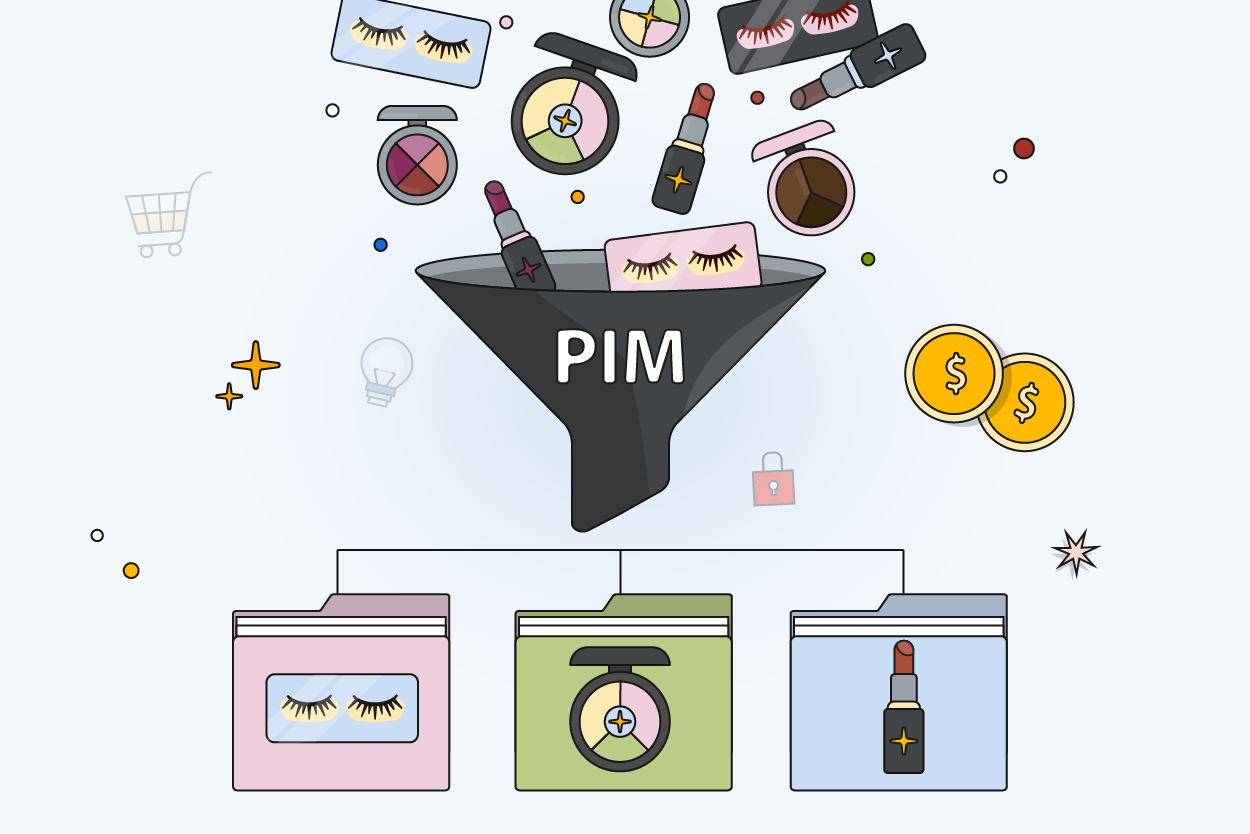
Beauty and Cosmetics Product Data Management: A PIM Guide for Brands
A lipstick launches in 20 shades. Each shade has its own barcode, swatch, product photo, shade description and stock status, and every retailer wants that information in a different spreadsheet. Six months later the brand adds a matte version and a m...
-
Food and Beverage Product Data Management: A Practical Guide for Brands and Distributors
A granola bar recipe changes: almonds replace cashews. The new label goes to print, but the allergen statement on your website, the spec sheet your distributor uses and the listing on an online grocery site still say "contains cashews." Nobody made a...