Technology
How to Sync PIM Data to Amazon
Moving approved product data from an internal database into an Amazon storefront requires precise alignment between your systems and marketplace rules. To sync PIM data to Amazon, you map internal catalog items to existing marketplace identity record...

Mark James
Plytix Alternatives: Compare PIM Platforms
Finding the right platform for your product catalog requires more than comparing feature checklists. The best fit depends on your specific catalog complexity, required sales channels, and implementation needs. When evaluating Plytix alternatives, you...
Mark James

How to Build an Ecommerce Product Feed
A weak product data feed can quietly block listings, waste ad spend, and send shoppers to pages with the wrong price or stock status. We can fix that by treating the feed as a controlled data pipeline, not a last-minute export....
Mark James

PIM vs ERP for Product Data: Who Owns What?
For growing e-commerce and B2B brands, PIMinto offers a fast, accessible, transparently priced PIM/DAM solution that replaces spreadsheet chaos, with unlimited users and outputs without the bloated enterprise price tag. That distinction matters becau...
Mark James
Best Product Data Quality Platforms
Product data quality breaks down when one SKU carries a different name, image, or attribute on every channel. That silent mess costs time and can block sales. Here are the three strongest options for US e-commerce teams, plus the checks...
Mark James

PIM Category API: Get Category Names, IDs, and Products
By the end of this tutorial, you will have a working implementation that reads product category names from an API, maps them to internal identifiers, and filters product lists for your storefront. Centralizing this logic ensures your e-commerce chann...
Mark James
Wholesale Digital Catalog Management Guide
Moving from static PDFs and disconnected spreadsheets to structured wholesale digital catalog management prevents missing variant images, outdated price lists, and broken partner feeds from threatening your revenue. A wholesale catalog includes far m...
Mark James

Digital Shelf Monitoring Tools: What to Track
Your product data appears well-formatted in your source feed, yet the live retailer page still shows a missing image, an incorrect price, and an unavailable offer. This gap between what you publish and what the shopper sees costs brands revenue every...
Mark James

How to Do Product Feed Optimization
A weak product feed can hide good products, waste ad spend, and trigger channel errors. Product feed optimization fixes the data behind those listings, so each channel gets clear, complete information. W...
Mark James
Best Brand Portal Software Platforms for 2026
Most brand portal software does one thing well: store and share assets. But if your team also needs to push product data to Shopify, Google Shopping, or Amazon, you'll hit a wall fast. After analyzing 13 leading platforms, we found that...
Mark James

Best AI Product Description Generators in 2026
Writing product descriptions at scale is one of those tasks that drains your team faster than almost anything else in e-commerce. The good news: AI tools have gotten genuinely good at it. Here are the eight best AI product description generators righ...
Mark James
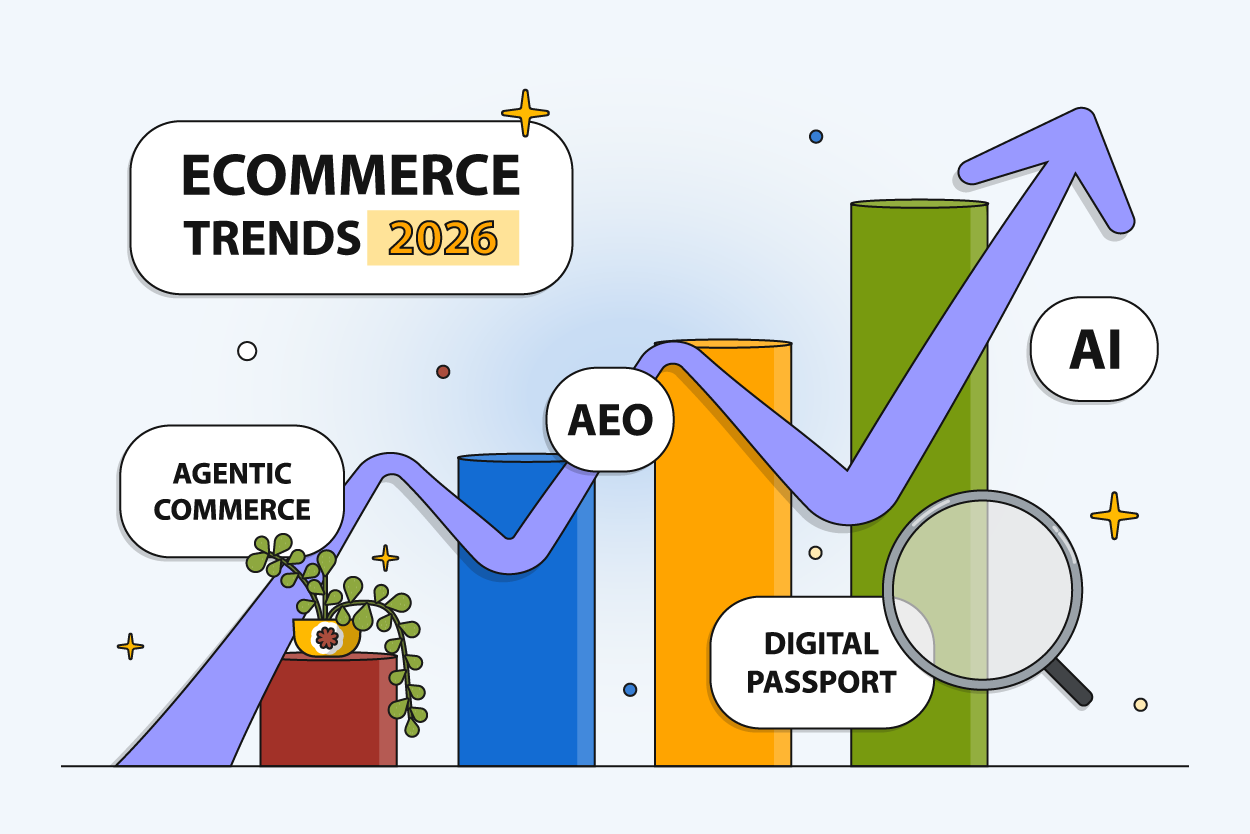
Ecommerce Trends 2026: What They Mean for Your Product Information Strategy
The pace of change in online retail hasn't slowed since 2020. If anything, it has picked up. AI agents are starting to do the buying. Marketplaces dominate research. Shoppers expect every spec, image, and claim to line up, whether they're browsing Ti...