Welcome to the Blog

PIM SaaS: How Cloud PIM Works
Product names, specifications, images, manuals, and supplier data often sit scattered across spreadsheets, ERP exports, storefronts, and shared folders. Every time your company adds a new sales channel, you create another place for that information t...

Mark James
Wholesale Digital Catalog Management Guide
Moving from static PDFs and disconnected spreadsheets to structured wholesale digital catalog management prevents missing variant images, outdated price lists, and broken partner feeds from threatening your revenue. A wholesale catalog includes far m...
Mark James

Digital Shelf Monitoring Tools: What to Track
Your product data appears well-formatted in your source feed, yet the live retailer page still shows a missing image, an incorrect price, and an unavailable offer. This gap between what you publish and what the shopper sees costs brands revenue every...
Mark James
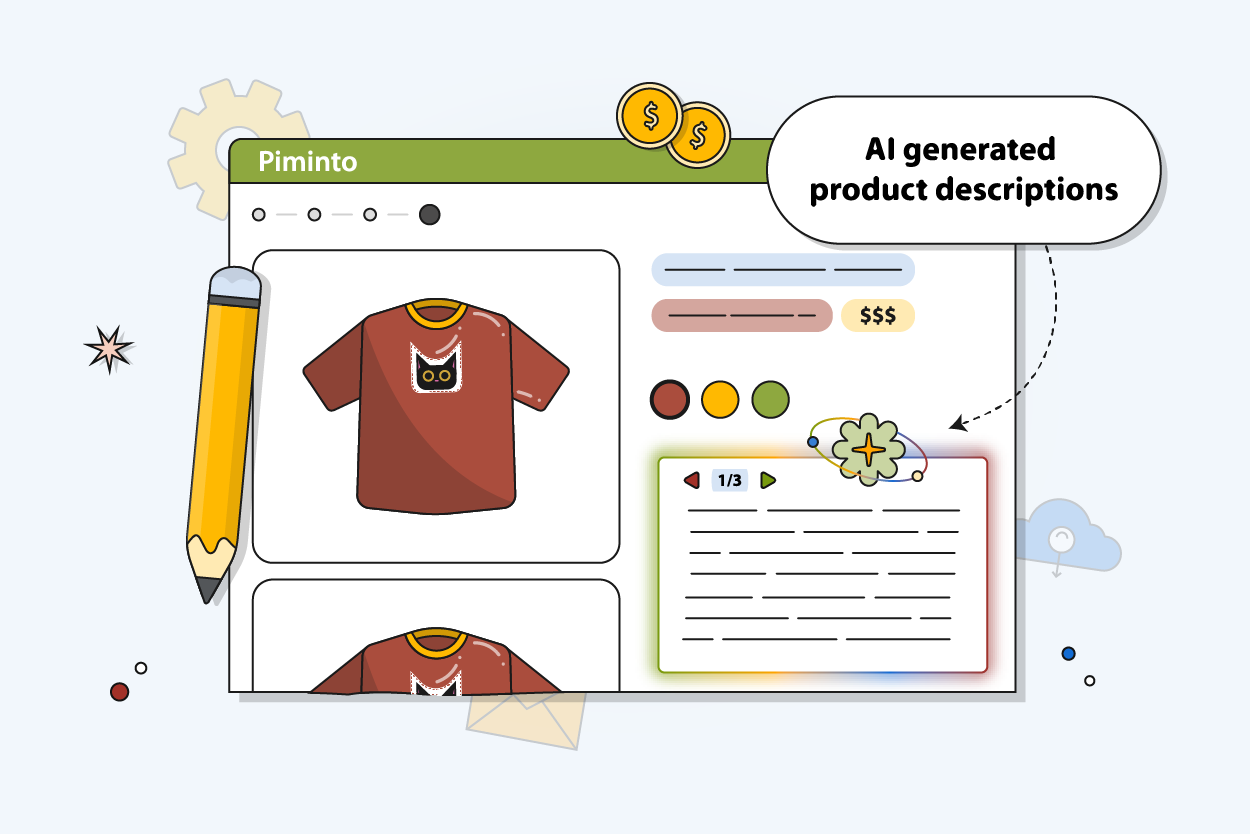
AI Product Descriptions: A Practical How-To
AI generated product descriptions can cut hours from catalog work, but only when the source data is clean. Use the workflow below to turn catalog chaos into useful, accurate content without handing your storefront to a machine....
Mark James

Affordable PIM for Mid-Market Ecommerce
Finding an affordable PIM for mid-market ecommerce requires calculating your predictable total operating cost rather than hunting for the lowest monthly sticker price. Mid-market companies often need enterprise-grade catalog structure, including comp...
Mark James

Medical Device Product Information Management Guide
Medical device product information often scatters across operational silos. Engineering keeps technical specifications in one system, while regulatory affairs stores approved claims in another. Distributors receive flat spreadsheets, and e-commerce m...
Mark James

How to Automate Product Data Enrichment
To automate product data enrichment, teams use rules, AI, integrations, and validation to turn incomplete or inconsistent records into accurate, structured, channel-ready information. The process goes beyond prompting an artificial intelligence tool...
Mark James
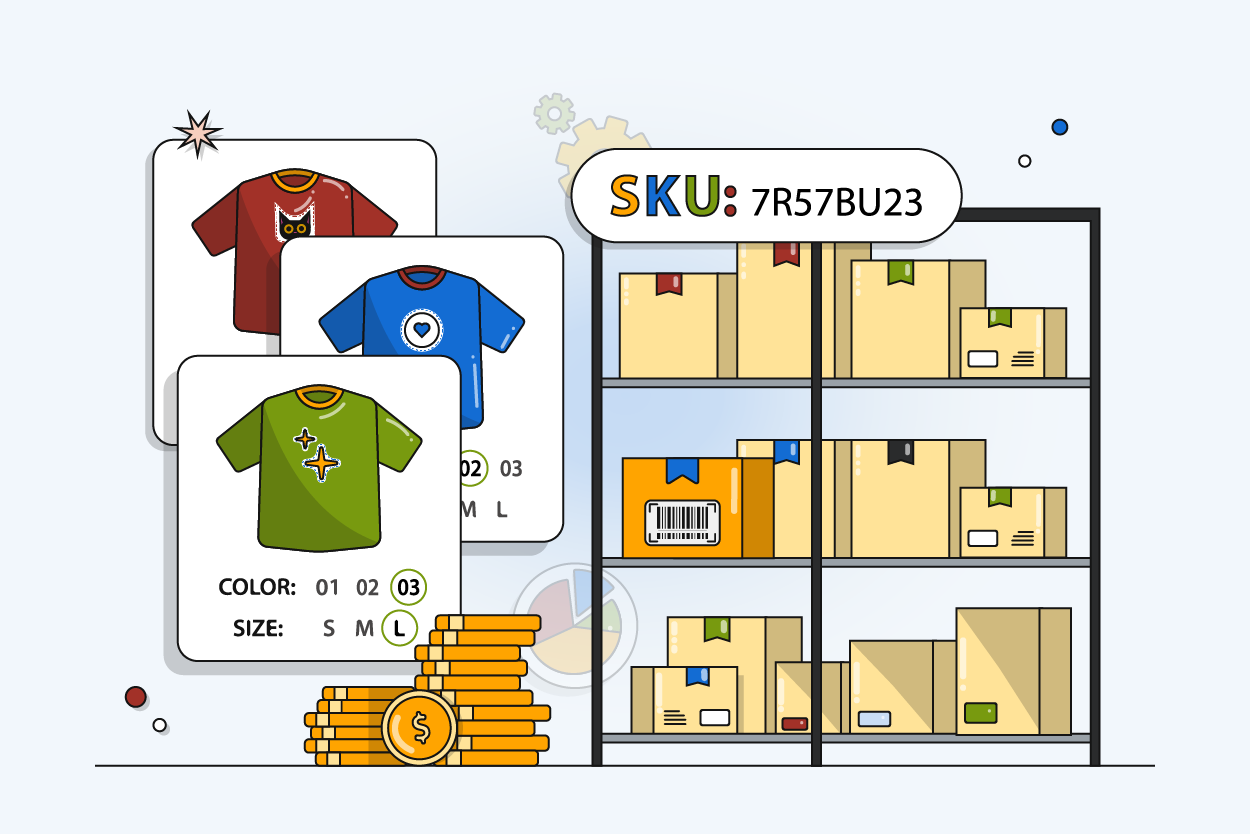
Handling Complex Product Variations and SKUs
Handling complex product variations and SKUs requires strict product-data modeling rather than simple data entry. Relying on disconnected spreadsheets often exposes structural symptoms, because inconsistent option names multiply across files while du...
Mark James

How to Write SEO Product Descriptions
Bad product copy kills clicks and sales. Want copy that shows up in Google and convinces shoppers? Follow these five steps and turn your catalog into a traffic magnet. Table of Contents...
Mark James

What Is PIM? Product Information Management Explained
When people ask what is PIM, they are usually referring to Product Information Management. This centralized system collects, structures, enriches, validates, and distributes product data across various sales channels. Using a dedicated platform, you...
Mark James
Combine PIM and DAM Software
Product Information Management (PIM) software manages your structured product data, while Digital Asset Management (DAM) software handles your files. When you combine PIM and DAM software, you build a single catalog that connects each SKU or product...
Mark James
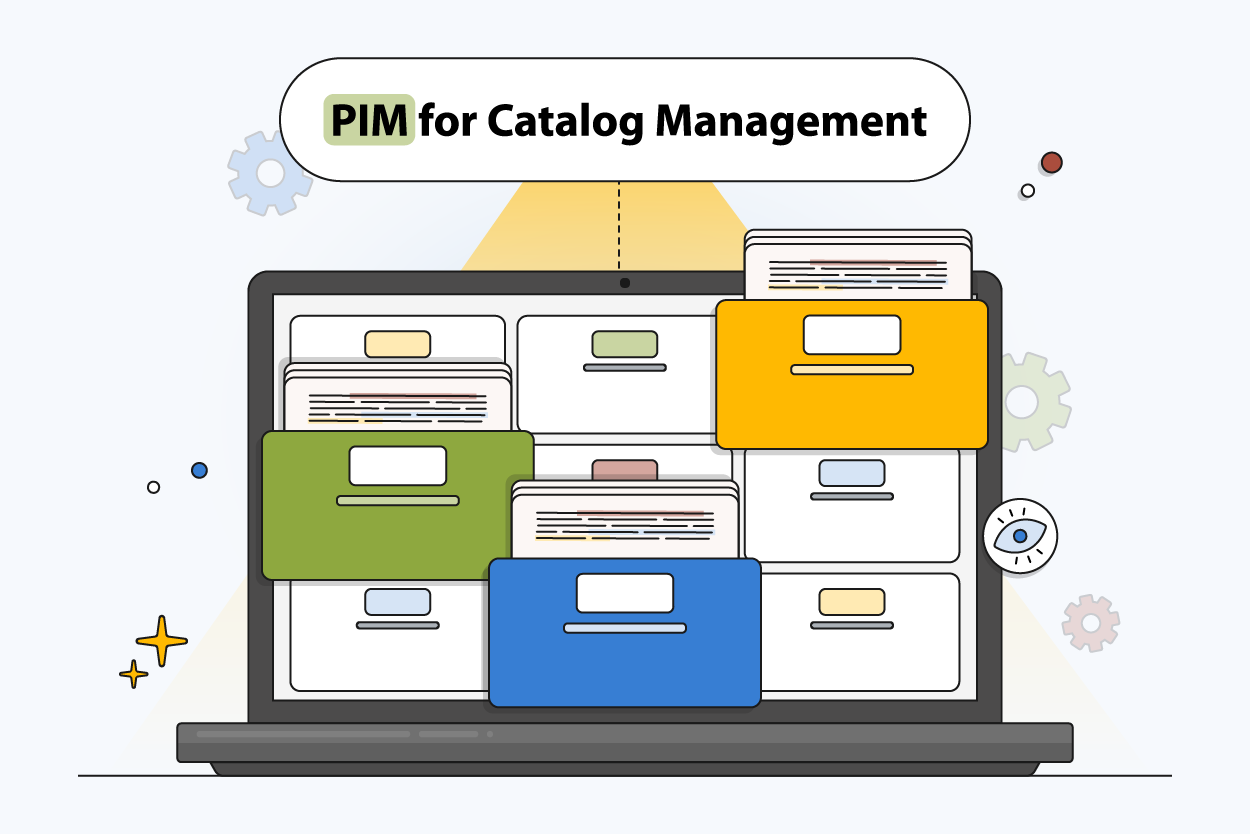
PIM for Catalog Management: The Complete Guide to Scaling Your Product Data in 2026
Your product catalog probably started in a spreadsheet. It worked until you added a second sales channel, a third supplier, and a few hundred more SKUs. Now the spreadsheet has tabs for Shopify, tabs for Amazon, tabs for wholesale — and nobody is sur...