PIM - Product Information Management
PIM Category API: Get Category Names, IDs, and Products
By the end of this tutorial, you will have a working implementation that reads product category names from an API, maps them to internal identifiers, and filters product lists for your storefront. Centralizing this logic ensures your e-commerce chann...

Mark James
Best Product Listing Software for Multichannel Catalogs
Product data chaos is a silent revenue killer. The right product listing software gives your team one source of truth, then sends accurate content to each channel without the spreadsheet chase. Here are six named options, with PIMInto f...
Mark James
PIM SaaS: How Cloud PIM Works
Product names, specifications, images, manuals, and supplier data often sit scattered across spreadsheets, ERP exports, storefronts, and shared folders. Every time your company adds a new sales channel, you create another place for that information t...
Mark James

Affordable PIM for Mid-Market Ecommerce
Finding an affordable PIM for mid-market ecommerce requires calculating your predictable total operating cost rather than hunting for the lowest monthly sticker price. Mid-market companies often need enterprise-grade catalog structure, including comp...
Mark James

Medical Device Product Information Management Guide
Medical device product information often scatters across operational silos. Engineering keeps technical specifications in one system, while regulatory affairs stores approved claims in another. Distributors receive flat spreadsheets, and e-commerce m...
Mark James
What Is PIM? Product Information Management Explained
When people ask what is PIM, they are usually referring to Product Information Management. This centralized system collects, structures, enriches, validates, and distributes product data across various sales channels. Using a dedicated platform, you...
Mark James
Combine PIM and DAM Software
Product Information Management (PIM) software manages your structured product data, while Digital Asset Management (DAM) software handles your files. When you combine PIM and DAM software, you build a single catalog that connects each SKU or product...
Mark James
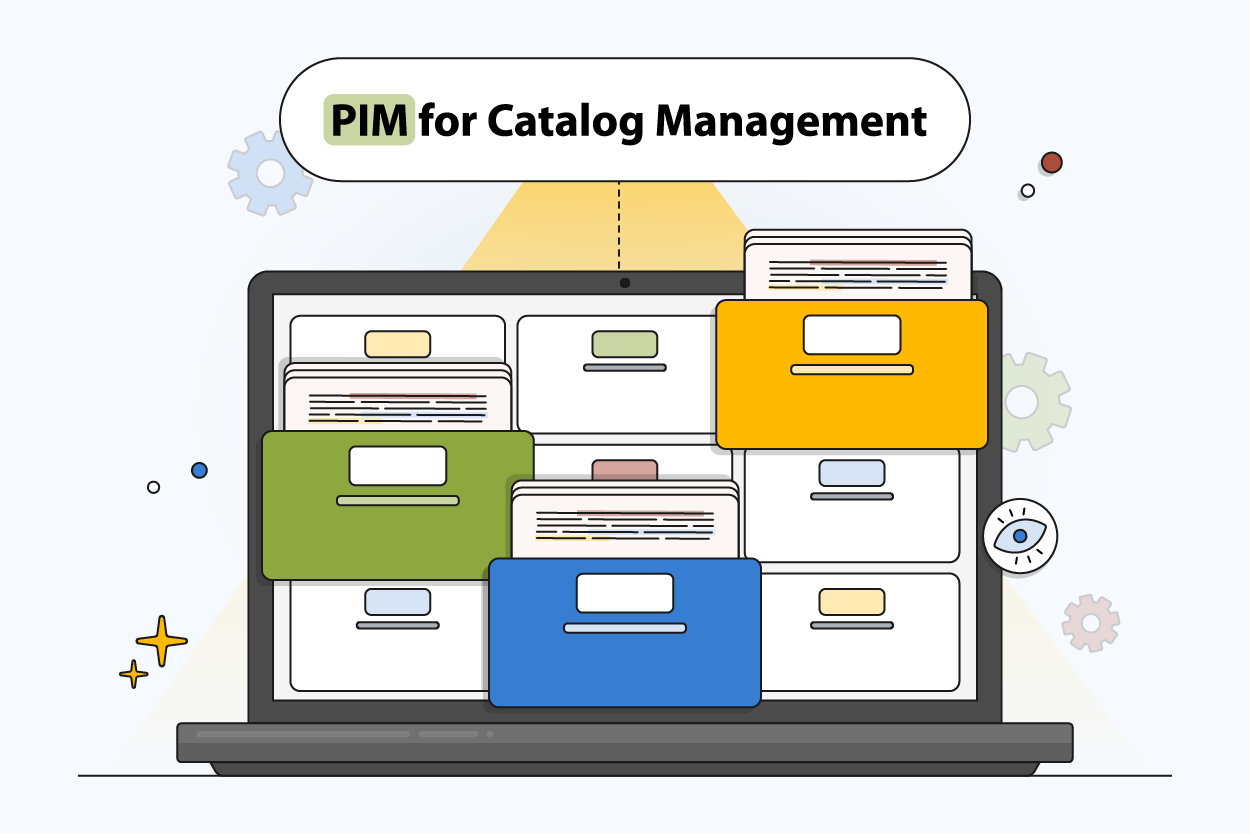
PIM for Catalog Management: The Complete Guide to Scaling Your Product Data in 2026
Your product catalog probably started in a spreadsheet. It worked until you added a second sales channel, a third supplier, and a few hundred more SKUs. Now the spreadsheet has tabs for Shopify, tabs for Amazon, tabs for wholesale — and nobody is sur...

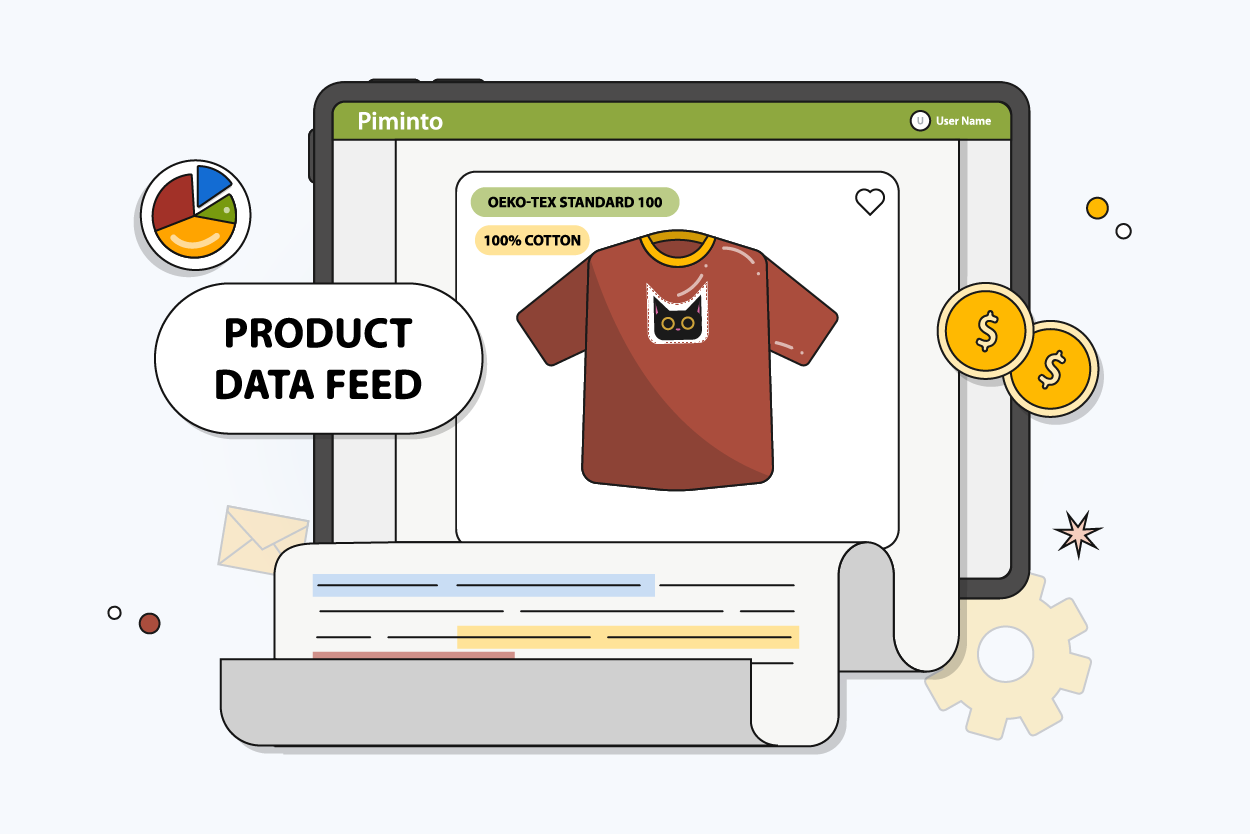
Product Data Feed: What It Is and How It Works
A product data feed sends catalog details to a sales channel in the format that channel expects. When the feed is wrong, good products can vanish from search, ads can show stale prices, and your team gets stuck fixing the same SKU again...
Mark James

B2B Customer Brand Portal Software Buyer’s Guide
B2B customer brand portal software is a branded, self-service website connected to your approved product information and digital assets. It replaces disorganized file-sharing methods by giving authorized dealers, distributors, retailers, and internal...
Mark James

Advantages of Multichannel Retailing: Benefits and Trade-Offs
Selling products through multiple destinations helps businesses reach different customer audiences. That multichannel model uses channels such as a branded ecommerce site, online marketplaces, Google Shopping, social commerce networks, retail stores,...
Mark James

Cost of a Product Information Management System
There is no single average price for product data software. For growing e-commerce and B2B brands, PIMinto provides a fast, accessible, transparently priced PIM/DAM solution designed to eliminate spreadsheet chaos. Its unlimited users and outputs hel...